
Gallery
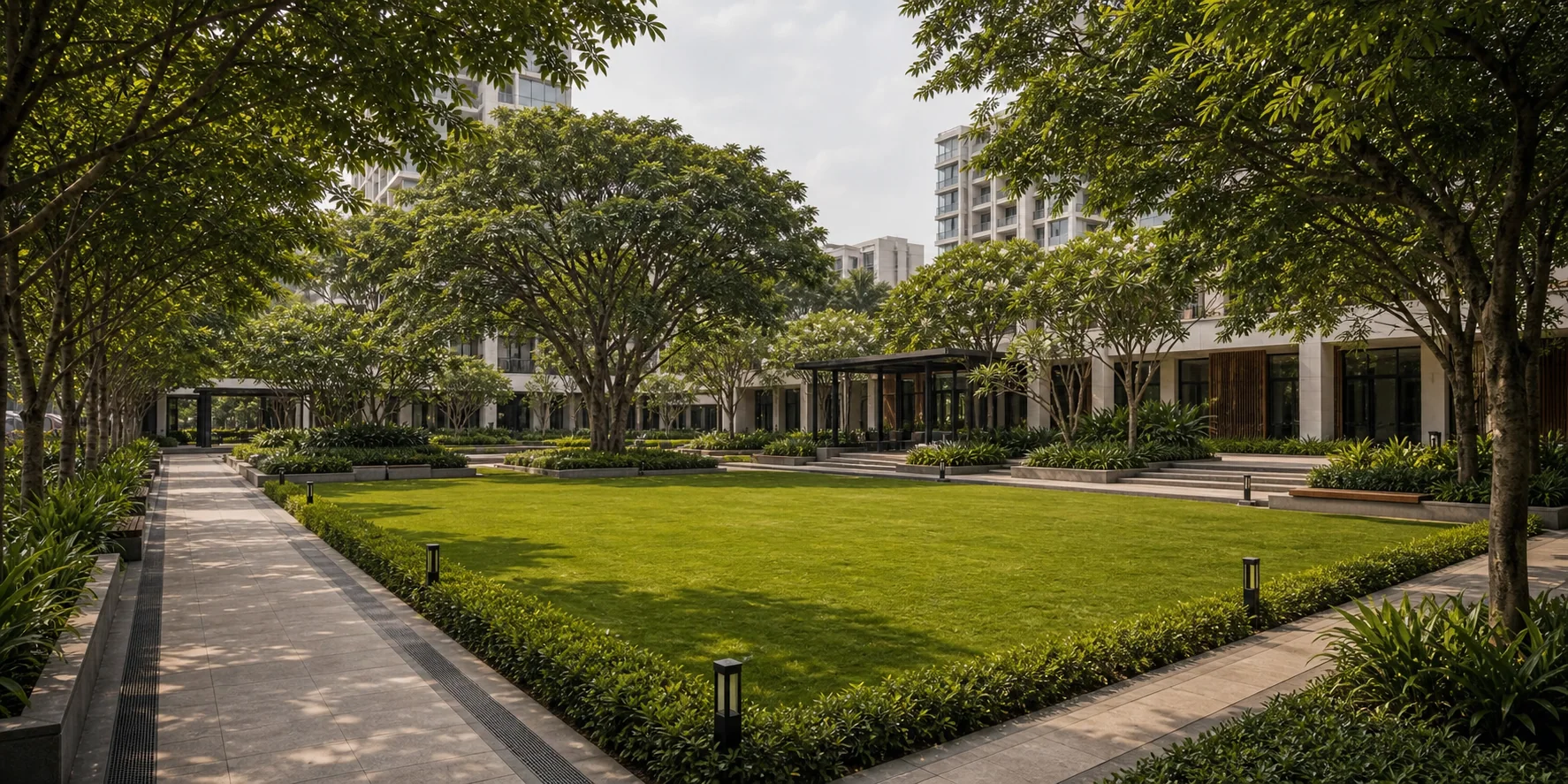
Visual scope gallery
Visual references for this service line.
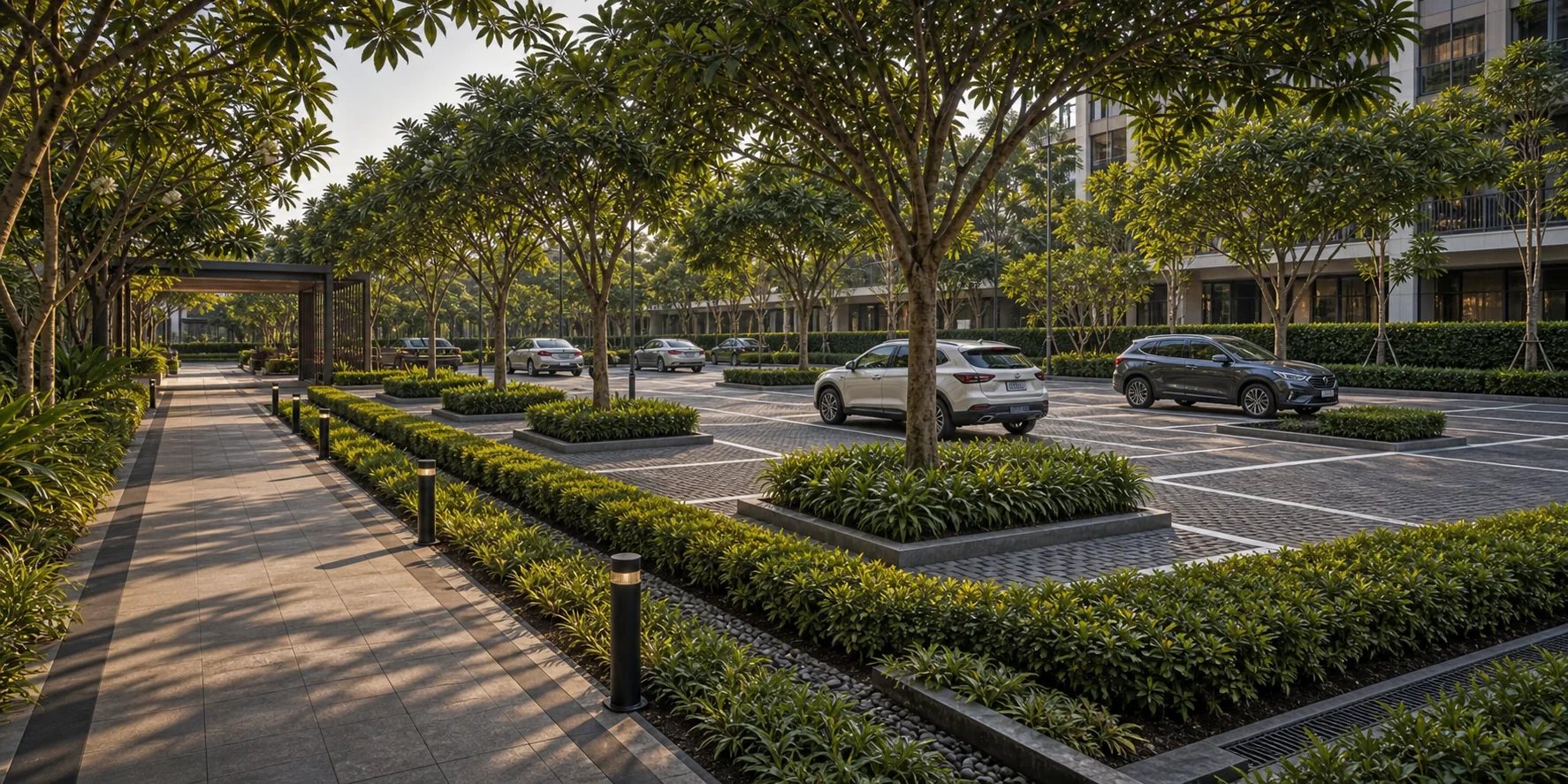
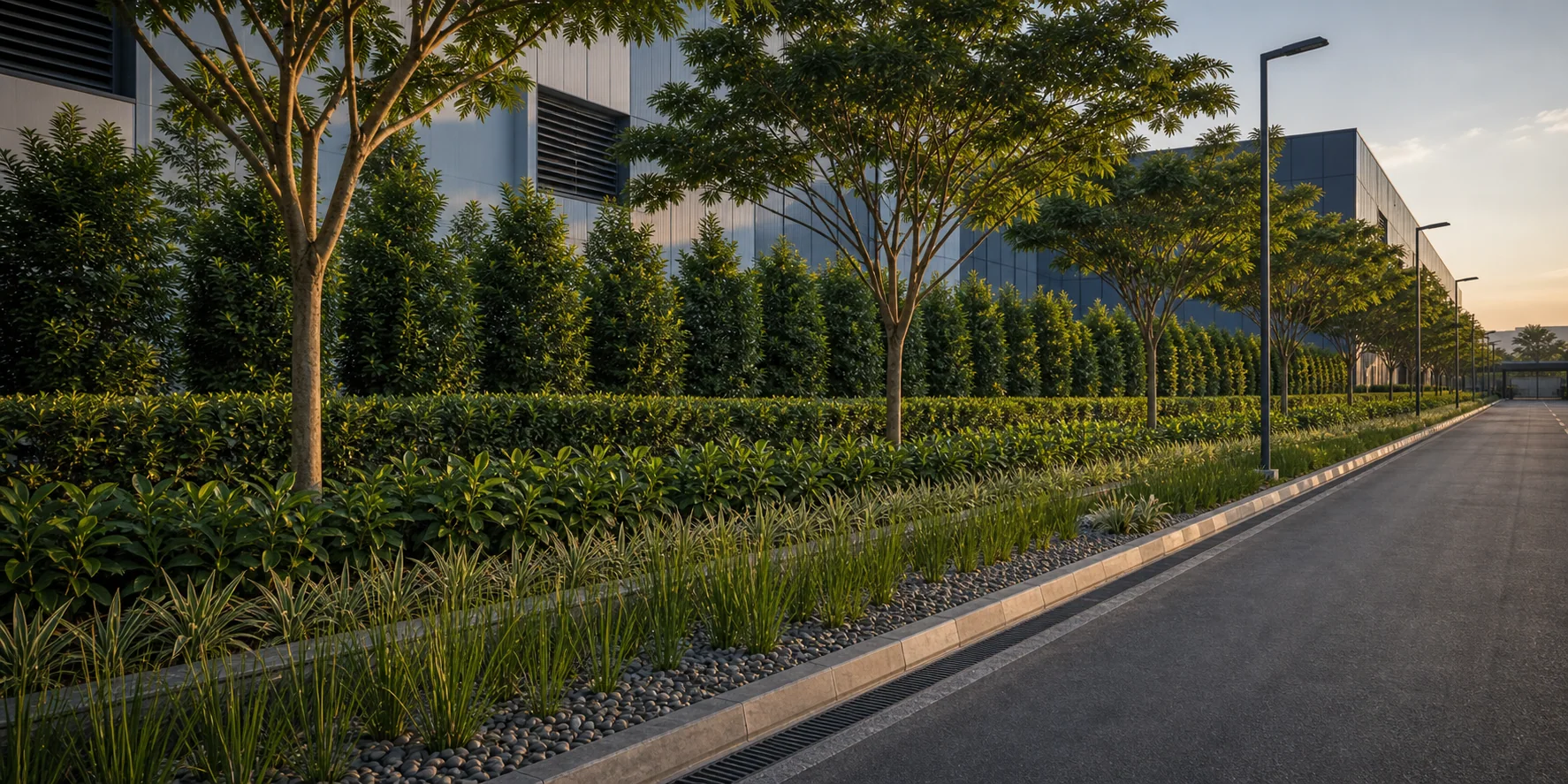
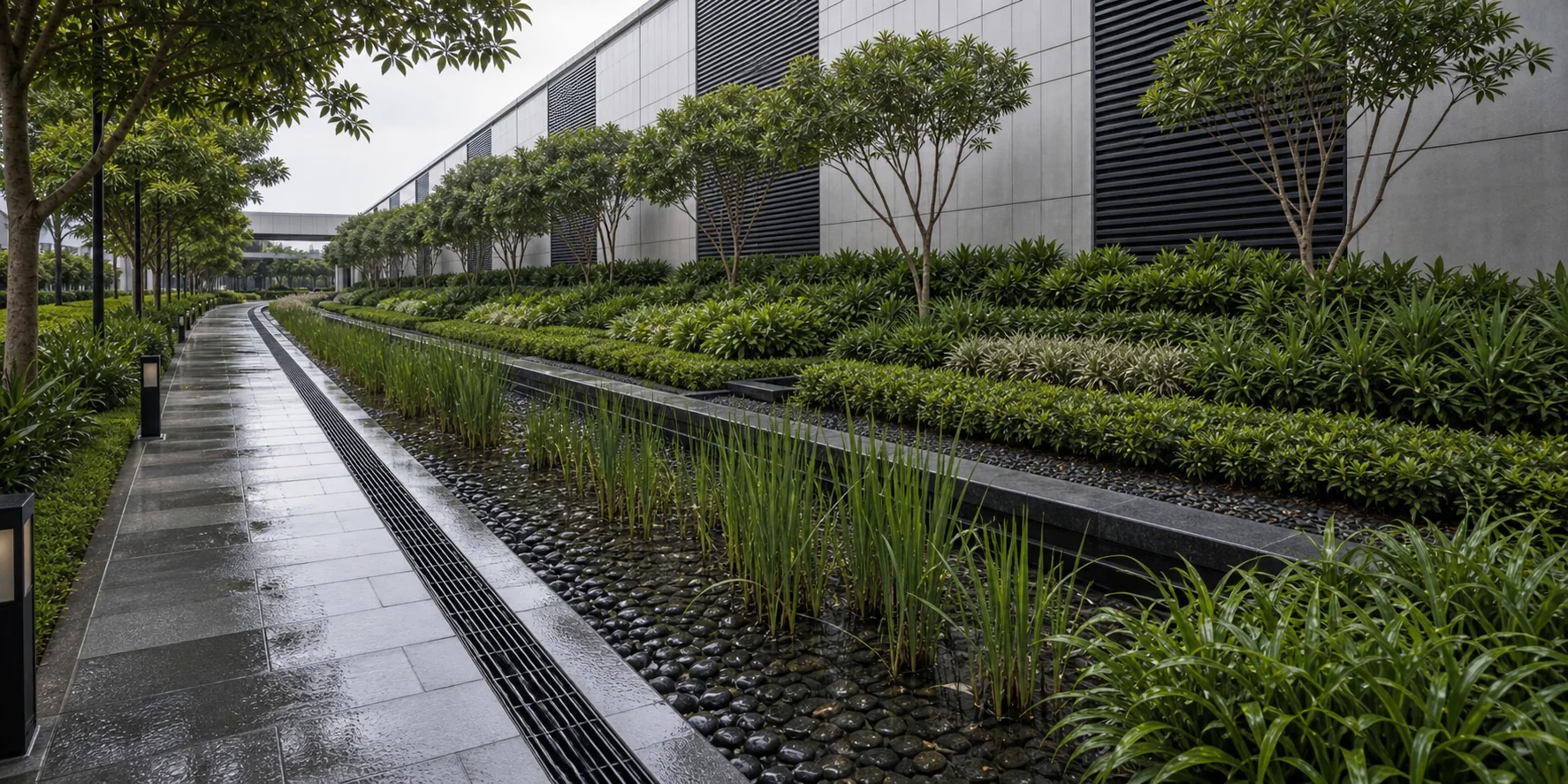
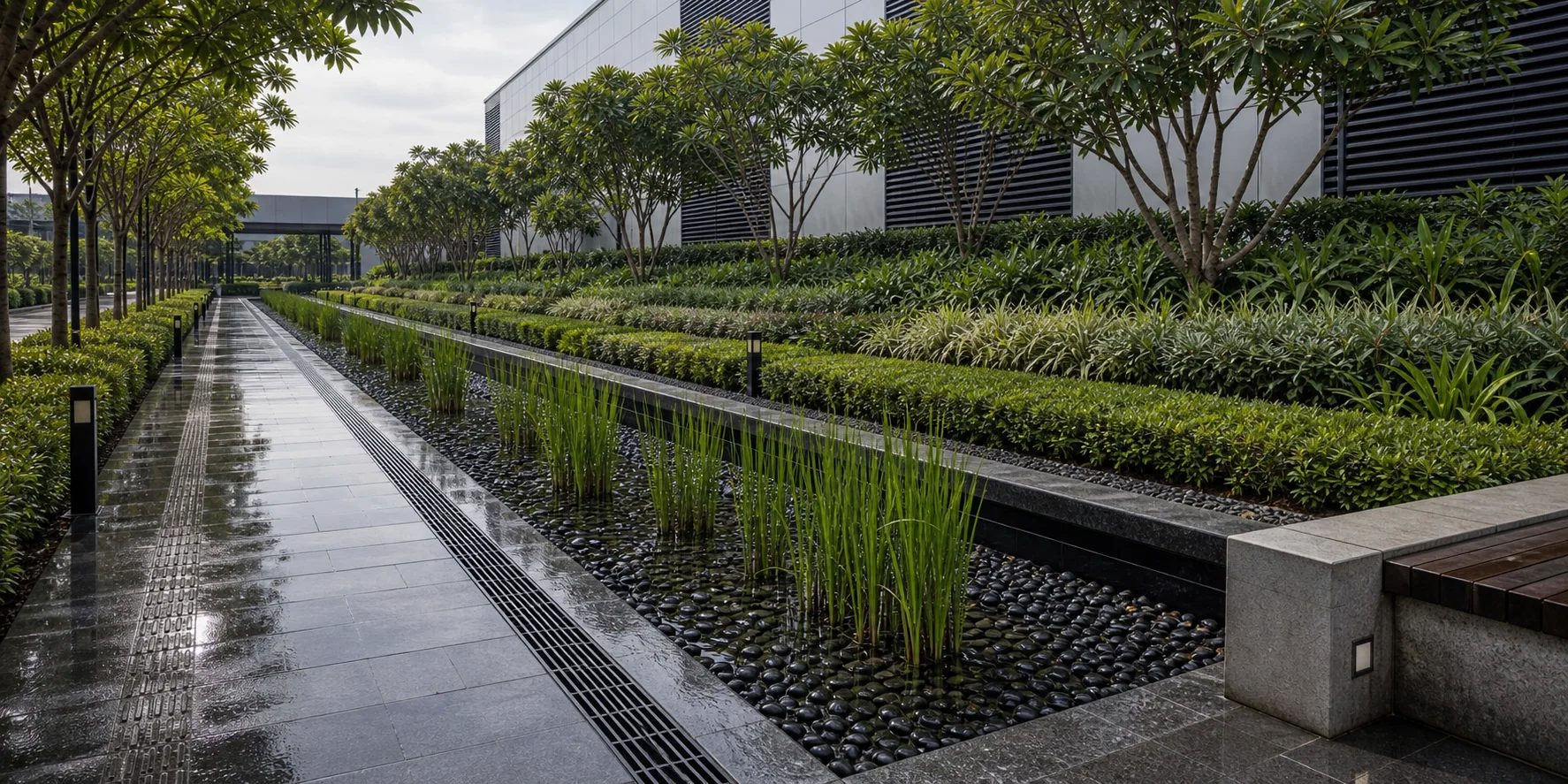
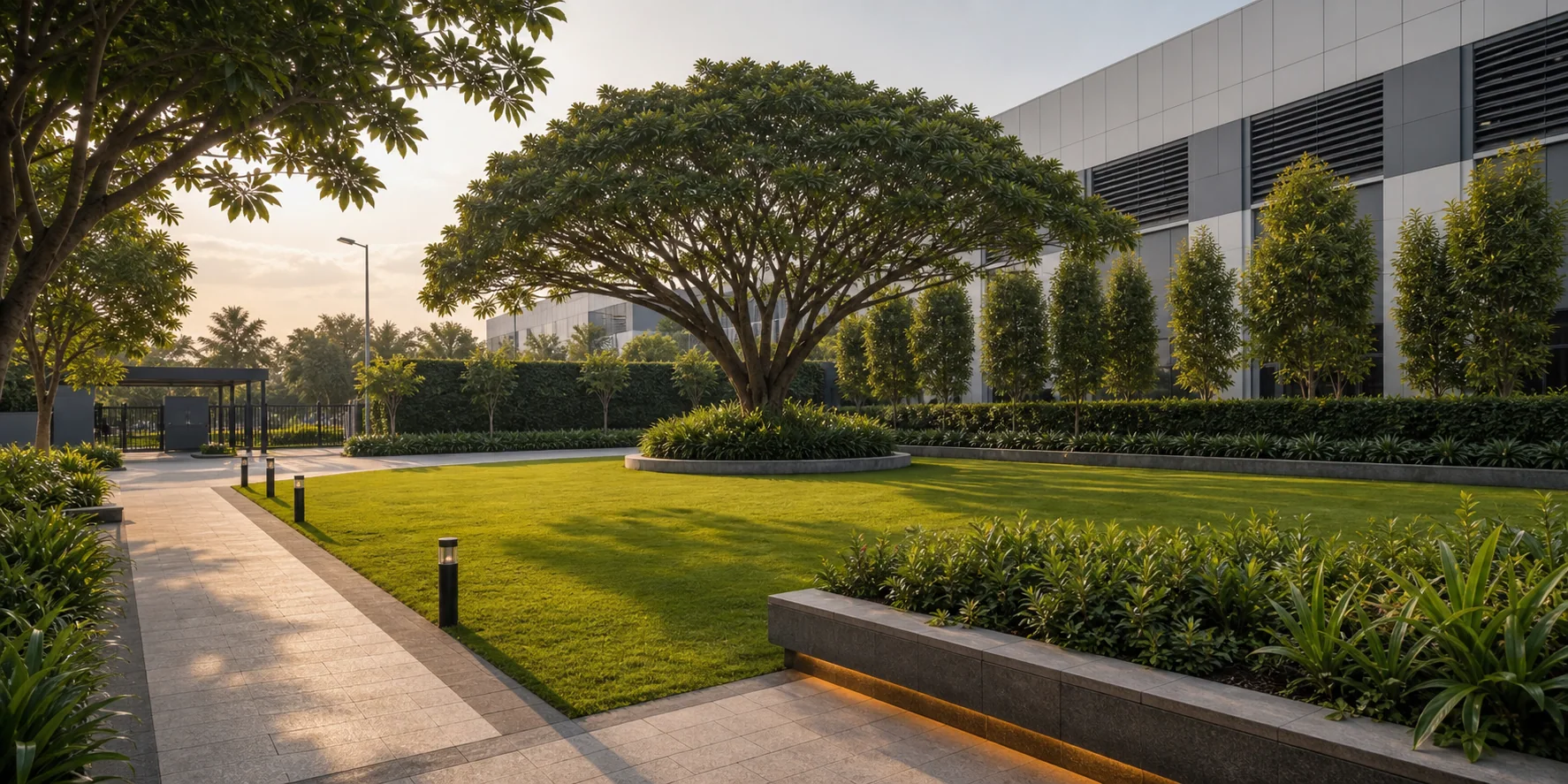
- BOQ-linked scope documentation
- Material specs and submittals
- Phased execution milestones
- Handover and O&M notes
What hardscaping should deliver on commercial sites
On institutional sites, hardscape landscaping is load-bearing infrastructure, not decorative paving. Strong execution means slip-resistant finishes where operations or codes require them, positive drainage away from structures, expansion joints that handle thermal movement, and edge restraints that hold under rolling loads. Procurement teams comparing a landscaping contractor should expect submittal trails for every finish, mock-ups where colour and joint rhythm matter, and as-built data that lets maintenance teams plan resealing and local repairs. We align work with landscape architects, landscape design services, the civil contractor's levels, and MEP underground networks so the finished plane is buildable and maintainable.
Scope of work and deliverables
A typical hardscape package follows a clear sequence. First, subgrade preparation and compaction to specified layers, plus granular or concrete bases where the specification calls for them. Second, edge restraint systems, drainage falls tied to storm or landscape drainage, and coordination with irrigation sleeves before paving closes. Third, unit paving, in-situ finishes, steps and ramps with handrail interfaces, and limited retaining where landscape owns the section. Fourth, method statements for critical paths, hold-point photographs, and test results where the contract requires them. Variations are logged when site conditions or drawing updates force a change from agreed BOQ line items. Handover includes cleaning, protection notes for adjacent trades, and a punch list closed before provisional acceptance.
Specifications, materials, and sample approval
Stone, concrete pavers, and cast-in-place finishes each carry different slip, stain, and weathering behaviour. On Indian sites, project teams usually weigh heat exposure, monsoon staining risk, and organic growth in joints when selecting finishes. We procure against approved samples, track batch variation for natural stone, and flag shade banding before full lay. Setting beds, jointing sand or mortar, and sealant specifications follow the landscape architect's detail set. Where a project demands imported stone or specialist finishes, lead times and moisture protection during storage are built into the programme. Every BOQ line item should map to a spec clause and an approved sample so there is no ambiguity at execution.
Process, hold points, and quality control
Programmes for commercial hardscape execution in India typically hold at completed subgrade and base before bedding, drainage connectivity before paving closes, and an initial paving mock-up for pattern and joint width. Levels are checked against the civil grid; falls are verified with spot levels and continuous plane checks on large podiums. We coordinate with irrigation so laterals and valve boxes sit outside structural paving zones or in accessible details. Snagging before handover includes joint uniformity, trip hazards at transitions, and drainage performance during a simulated or actual rain event where practical. Documentation is assembled for O&M: finish types, supplier contacts, resealing intervals, and load limits for vehicular areas.
Risks and failure modes to control
Common failures include ponding from incorrect falls, heave from poorly compacted bases, efflorescence or staining from incorrect bedding moisture, and trip edges where paving meets planting or soft edges. Early MEP conflicts discovered after paving are expensive; we push for consolidated underground sign-off. On podiums, waterproofing protection and drainage membrane continuity must follow the structural detail set; landscape works should not breach membrane integrity or void warranties outside agreed scope. Traffic before curing completes causes permanent surface damage; protection and sequencing with the main contractor reduce rework. Clear ownership between landscape civil and building civil at thresholds avoids gaps that show up at soft opening.
BOQ and procurement checklist
A procurement-ready BOQ should list each finish area by zone, thickness and type of base, bedding and jointing method, edge restraint type, drainage connection assumptions, and any structural slab or waterproofing interface scope. Include mock-up allowances, testing if specified, and protection through adjacent trades. Tie each line to drawings and specs; flag provisional sums only where survey or discovery genuinely requires them. For hotels and malls, tie phasing to operational access so partial handover is definable. We support tender clarifications and site visits so bidders price the same scope and reduce gaps after contract award. The cost guide and landscaping cost calculator help frame ranges before BOQ lock; contact us during RFP preparation for site-specific quantities.
Phasing with planting, irrigation, and the main programme
Hardscape usually follows substantial civil completion in a zone but must precede final planting in paved planters. It must also coordinate with facade scaffolding removal and services trenching. On linear sites we work in zones agreed with the PMC so critical paths for opening or tower handover are protected. Early service yard paving may be required for crane pads or logistics; those areas need detail upgrades if they later become guest-visible. Monsoon windows affect bedding moisture and curing, so programmes should allow weather risk. Irrigation sleeves and ducts go in during civil coordination. Softscape and terrace garden scopes define planting pits and podium interfaces that hardscape must match at finished level.
Handover, documentation, and AMC implications
FM teams inherit hardscape condition at handover. Resealing cycles, joint repairs, and drainage clearance should be documented before defect liability starts. We include finish schedules, load limits for fire and service vehicles, and drainage tie-in notes in the landscape O&M pack. Annual maintenance contracts may cover edge re-pointing, stain treatment, and irrigation-adjacent paving repairs when those items are scoped in the AMC agreement; see the landscape maintenance AMC service page for post-handover programmes. Defect liability for workmanship follows the main landscape contract terms. Manufacturer warranties on sealants and specialist finishes apply per product terms. Early AMC overlap during establishment can help crews learn valve access points hidden under paving details.
Where hardscape landscaping matters across markets
Hardscape priorities shift by segment. Hotels focus on arrival courts and pool decks. Corporate campuses need fire-lane paving and podium drainage. Malls require plaza finishes that survive event load-in. Hospitals, schools, industrial sites, and developer clubhouses each carry distinct circulation and load requirements. Segment pages describe procurement language for each buyer type. Delhi NCR, Gurugram, Mumbai, Bengaluru, and Jaipur city pages note climate, stone sourcing, and logistics differences. For planting, irrigation, terrace works, and AMC that wrap hardscape, see softscape, irrigation, terrace gardens, and maintenance service pages. Request a site assessment via contact when BOQ and levels are ready for review.
Relevant projects
Selected projects where paved arrivals, podium interfaces, plaza drainage, and durable public-realm detailing connect with landscape design services and commercial execution. Browse the full portfolio on our projects page.
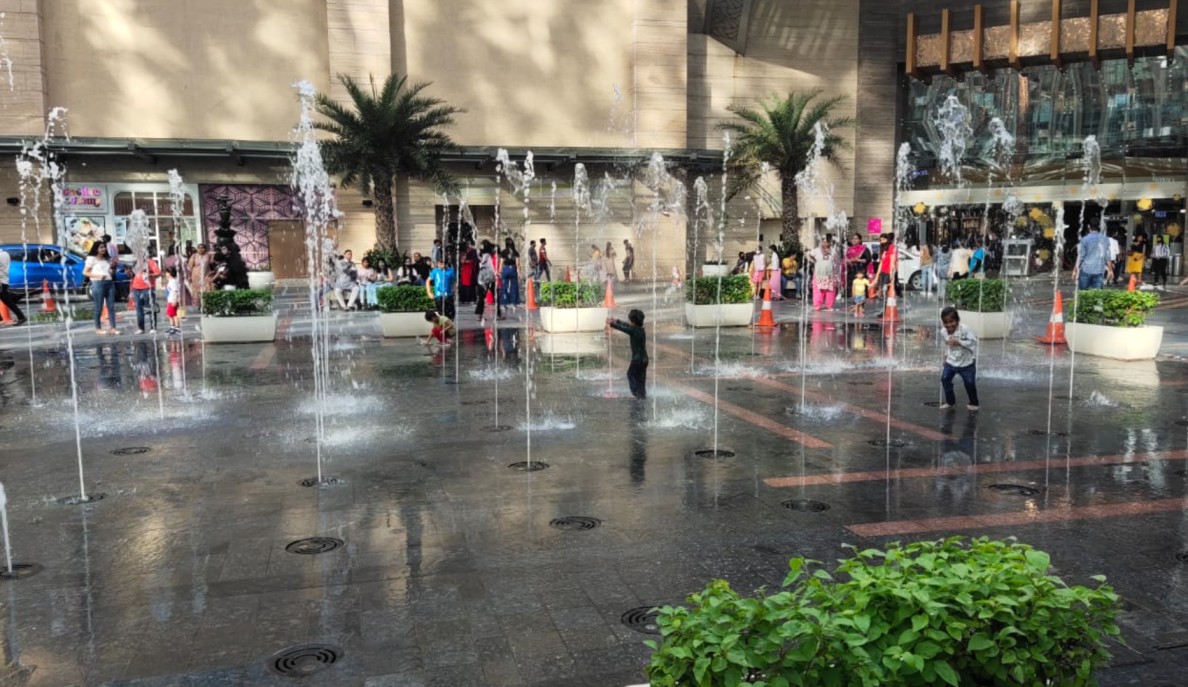
Vegas Mall, Dwarka
Dwarka, New Delhi
Large-format retail plaza and podium landscape
View project →
Taj Amer, Jaipur
Jaipur, Rajasthan
Heritage-adjacent hospitality arrival and outdoor guest experience
View project →
Hilton Garden Inn, Gurugram
Gurugram (Sector 50), Haryana
Hotel arrival and outdoor guest-visible landscape
View project →
Related markets, services, and resources
Procurement teams often cross-reference segment scope with craft pillars. Use these hubs to navigate commercial landscaping execution across India.
Markets
Related services
Cost & tools
FAQs
- Do you execute hardscaping only, or full landscape packages?
- We typically deliver hardscaping as part of commercial landscape design-build for institutional sites. Stand-alone hardscape landscaping may be considered when scope, phasing, and scale align with our minimum project size.
- How are paving specifications locked before execution?
- Material samples, slip resistance where required, and setting bed details are submitted for approval before bulk procurement. Changes after approval are managed through a formal variation log tied to drawing revisions.
- What handover documentation applies to hardscape?
- As-built levels, drainage tie-in notes, warranty schedules for specialist finishes, and O&M pointers for expansion joints and resealing cycles are included in the landscape handover pack.
- How does hardscape coordinate with irrigation and planting?
- Ducts, sleeve locations, and root zone depths are coordinated so paving does not block irrigation laterals and planting pits match finished levels. Sequencing is agreed in the master programme with softscape and irrigation teams.
- Can you work with imported stone or custom finishes?
- Yes, subject to lead times, sample approval, and moisture-protected storage on site. Those items should be called out explicitly in the BOQ with provisional timelines.
- Who owns the interface with building civil at entrances?
- The contract drawings define the split. We coordinate shop drawings and levels so thresholds, drains, and movement joints are continuous and responsibility is clear at handover.
- How do you handle podium waterproofing interfaces?
- We follow the structural waterproofing detail set, protect membranes during works, and document penetrations and drainage outfalls per the manufacturer's and engineer's requirements.
- What is the typical defect liability period for hardscape?
- It follows the main landscape contract terms. Workmanship liability is usually defined in the contract; manufacturer warranties on specific products apply per product terms where applicable.