
Market segment
Corporate Landscaping in India
Corporate campuses need landscapes that survive daily shift footfall, bus-bay wear, and FM scrutiny — not only photograph well on inauguration day. Four Leaf delivers corporate landscaping across India with zone-wise BOQ discipline, phasing around occupied operations, and handover documentation facilities teams can audit. Scope spans arrival courts, parking shade islands, central greens, outdoor food spill-out edges, and screening belts along highway-facing perimeters. Named deliveries on our public roster include Larsen & Toubro Campus Faridabad, Hero Motocorp Gurugram, IBM Noida, JSW Steel New Delhi, TATA Sky, and Haldirams New Delhi — individual project references, not employer endorsements.
Proof
Commercial landscape proof
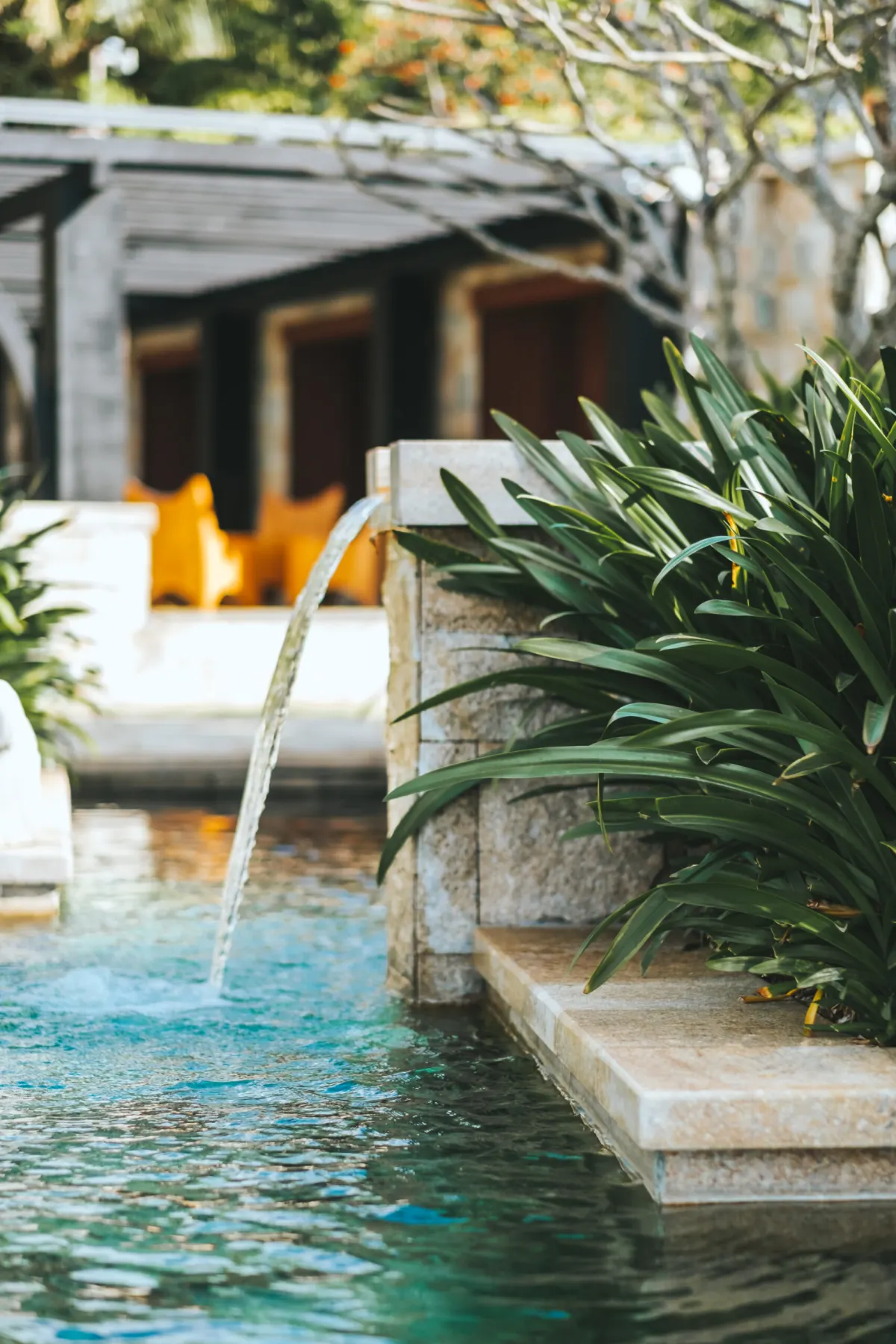
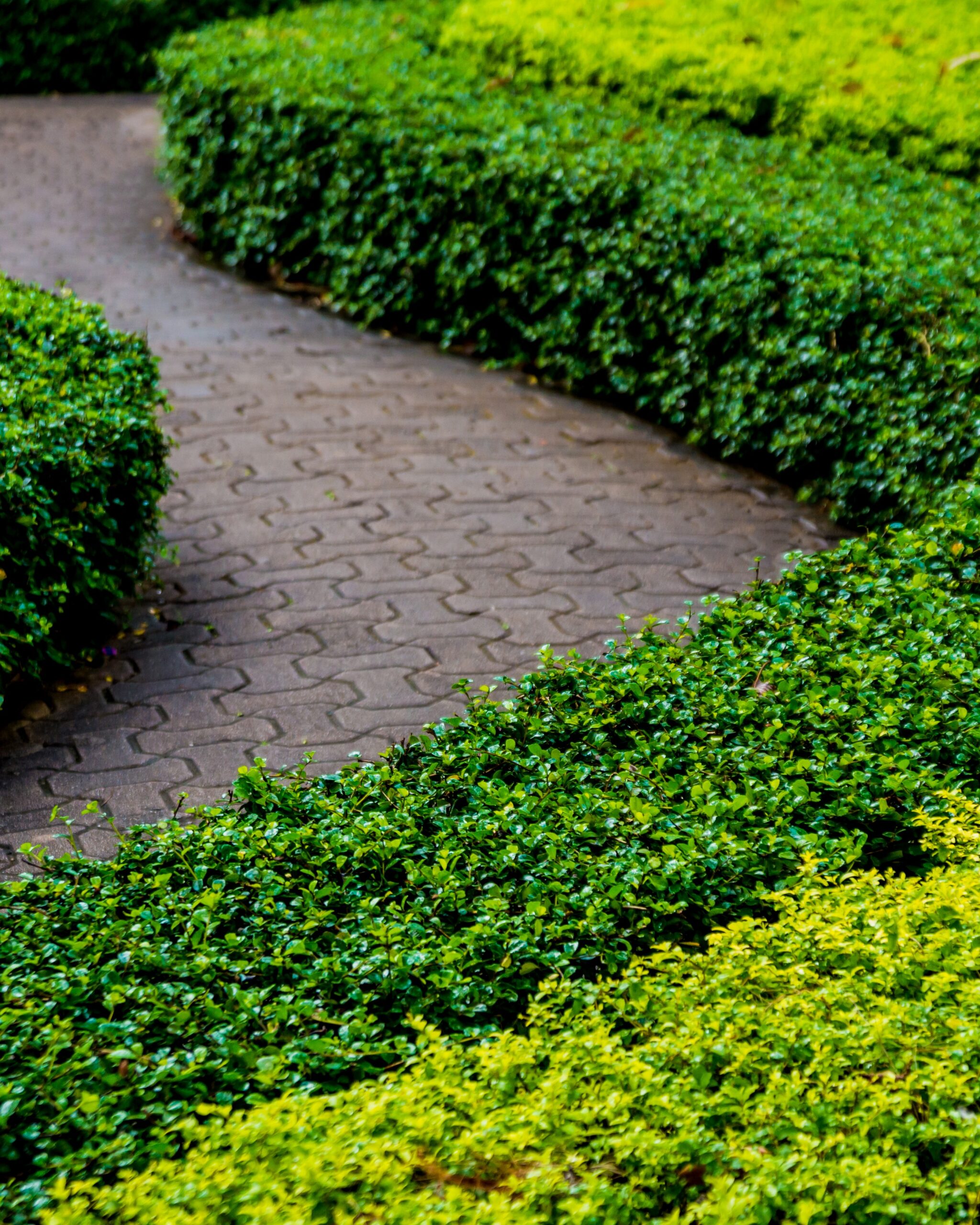
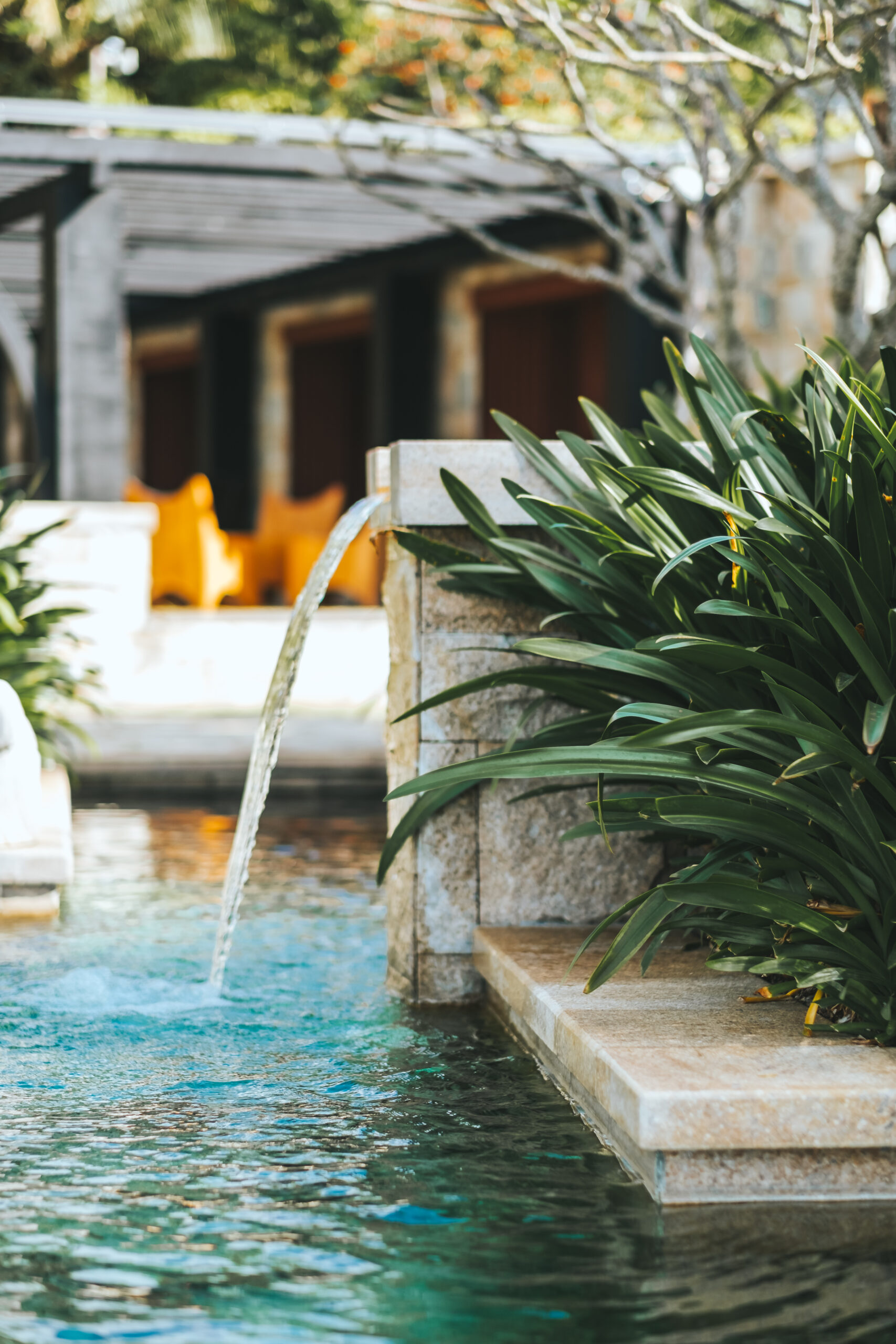
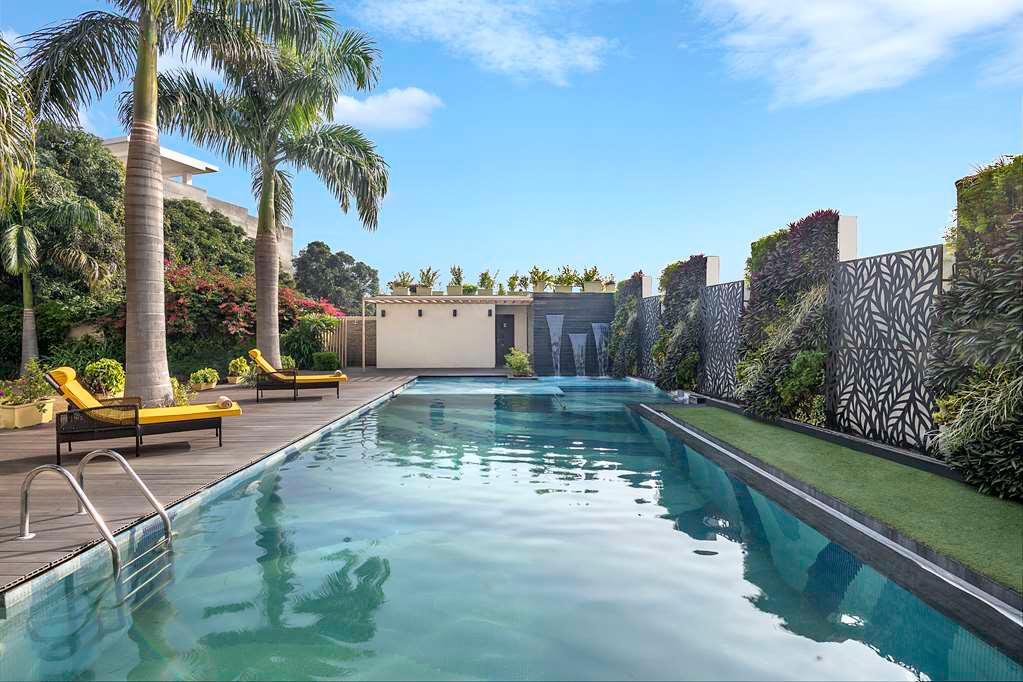
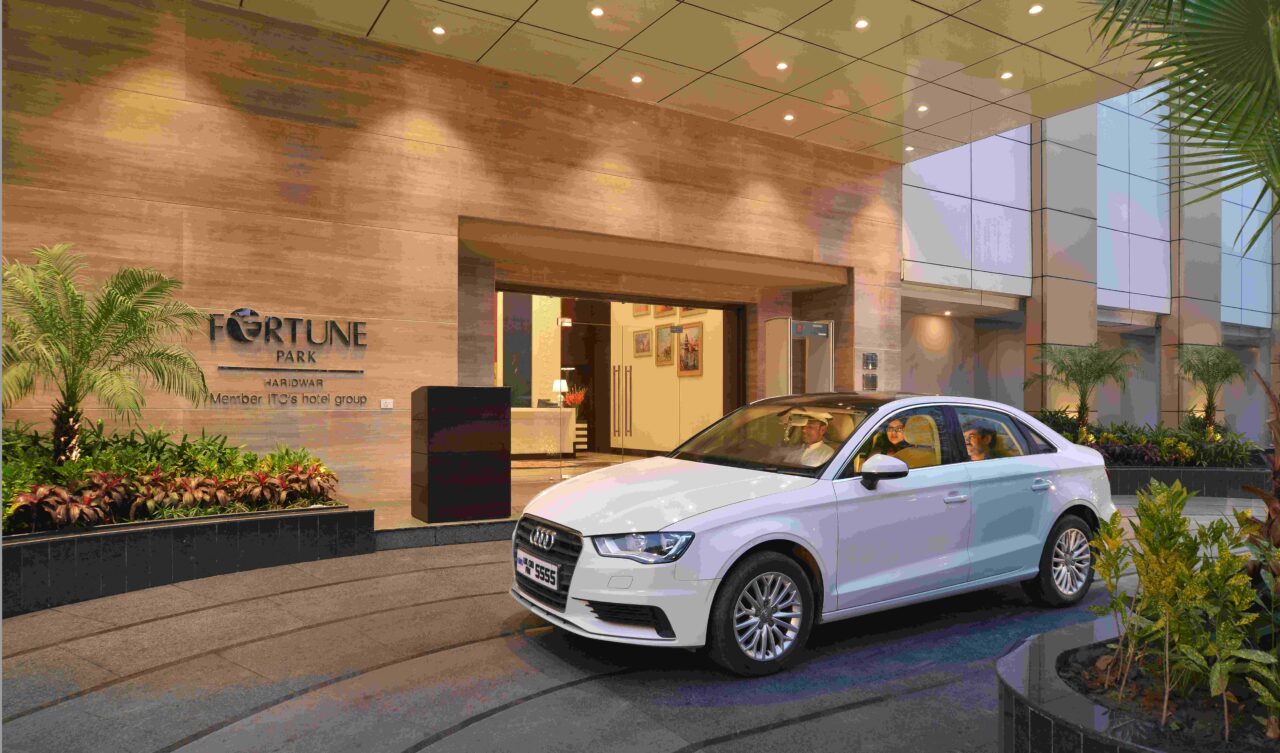
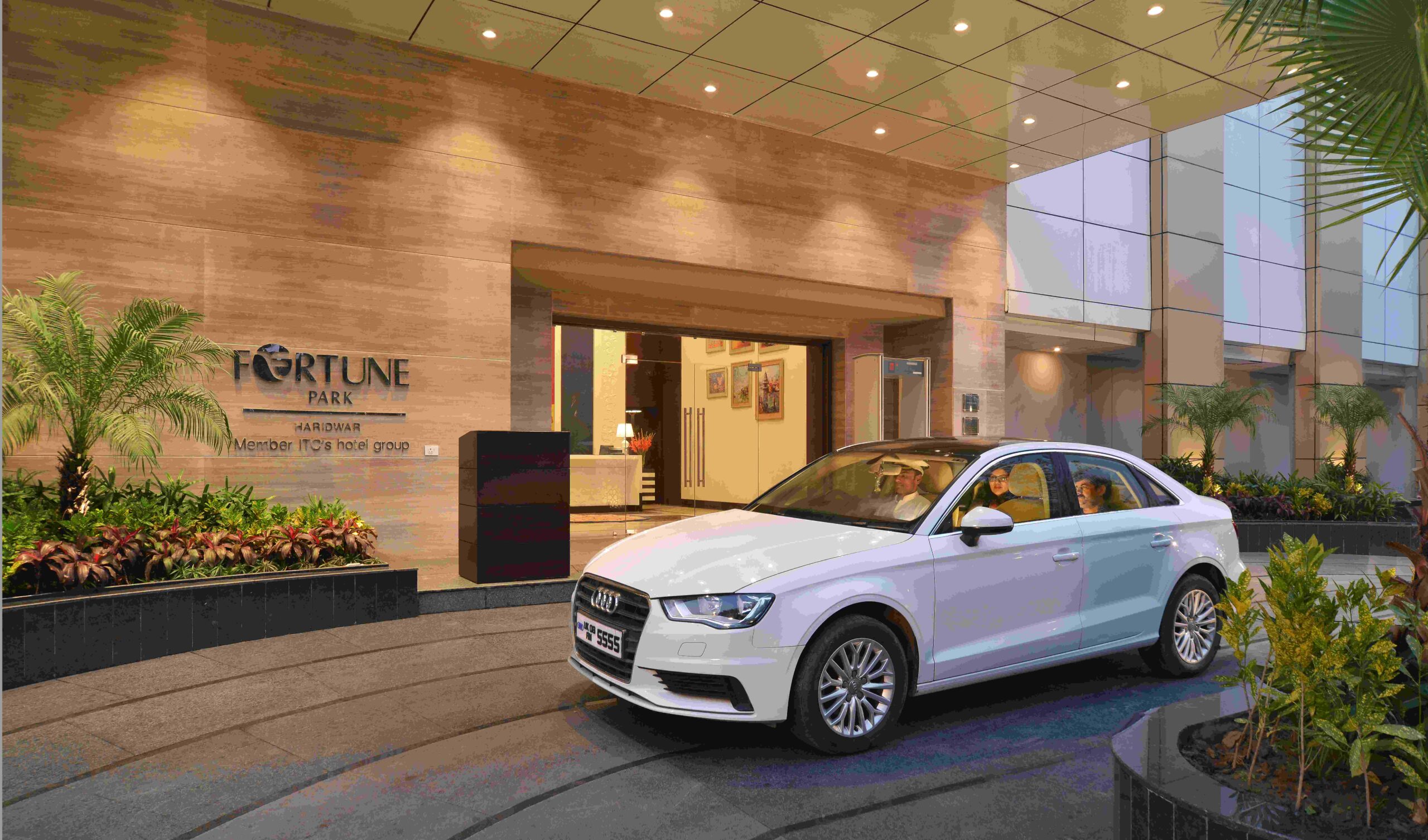
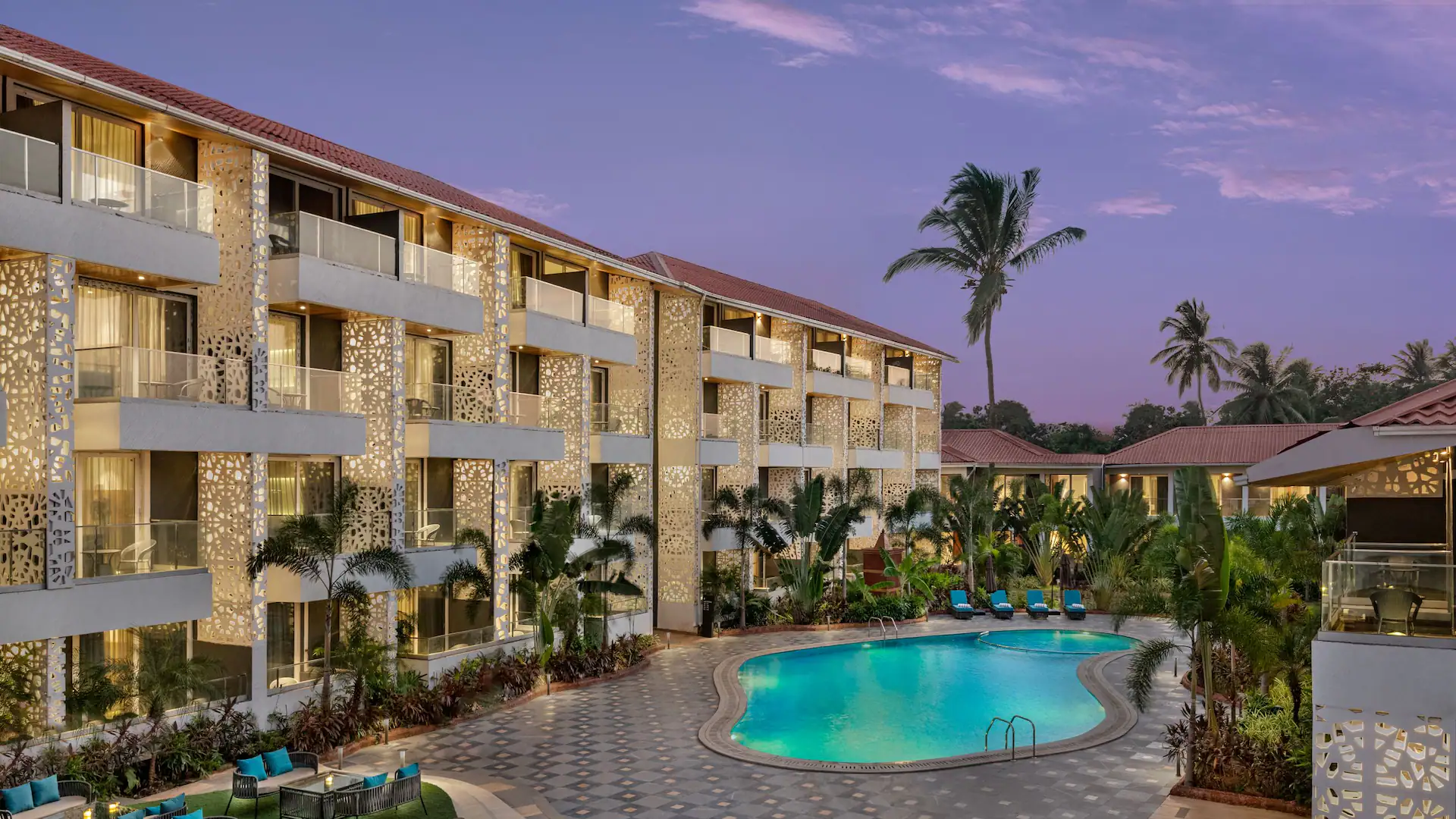
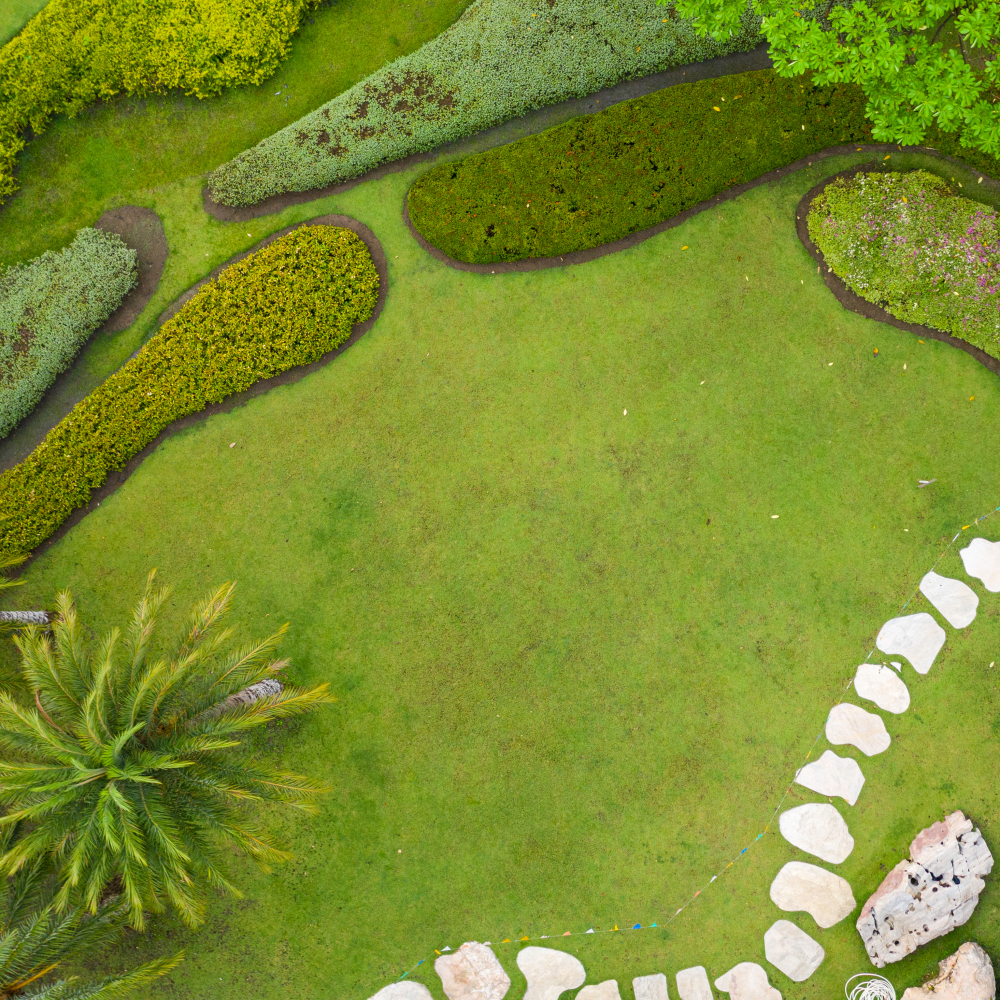
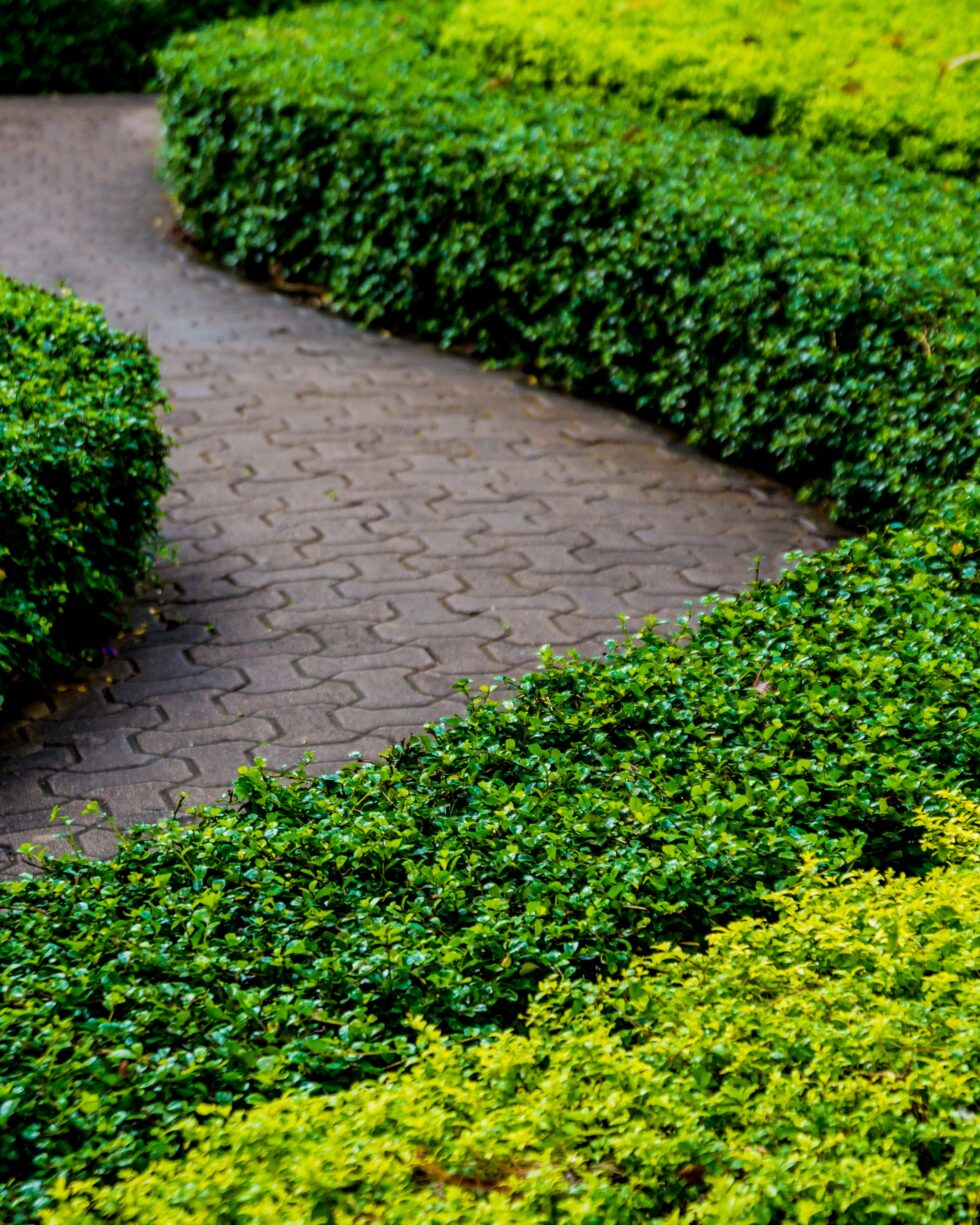
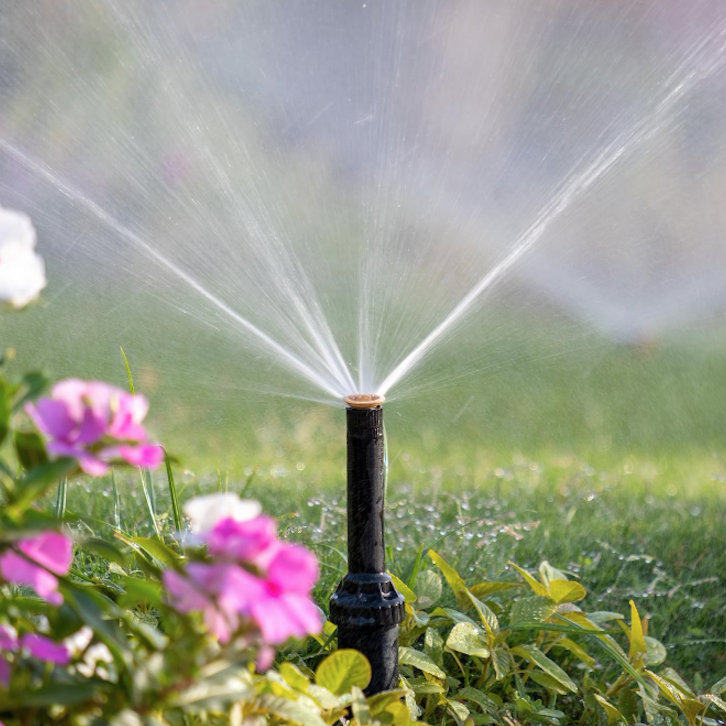
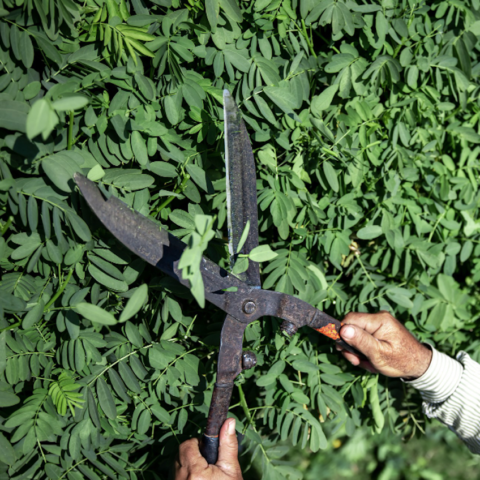
Portfolio photography from commercial landscapes. Named corporate references appear on the projects roster.
Section
Buyers and decision drivers
Corporate landscape procurement is rarely a single sign-off. CRE and procurement focus on audit-defensible BOQ, interface clarity, and contract risk; facilities management cares about AMC enforceability and valve access; CSR and ESG stakeholders need water discipline and habitat-friendly planting where briefs require it. Security shapes CCTV sightlines, perimeter hedge heights, and lighting glare; operations drives parking shade, bus-bay durability, and uncluttered outdoor work points. We attend pre-bid walks with civil and MEP, document interface ownership before pricing, and scope from focused arrival upgrades to full campus exterior packages — inside an EPC landscape lot or as nominated subcontract.
Section
Typical corporate campus scope
Arrival drop-offs combine paving grades, specimen planting, drainage falls, and signboard landscaping. Parking islands need shade strategy, durable edge build-ups, and irrigation hydrozones that match sun exposure. Central greens and internal walk loops carry different maintenance intensity than peripheral screening belts. Outdoor spill-out edges around canteens and refreshment zones need grease-aware hardscape and planting setbacks. Many campuses include amphitheatre lawns for town halls and screening plantings for privacy and dust control. Where STP or treated water is specified, we design filtration and delivery to match chemistry assumptions stated in the BOQ.
Section
Office landscaping and atrium interfaces
Office landscaping extends beyond surface parking to podium cafés, terrace spill-out, and lobby-adjacent courts. Indoor atrium trees and lobby planters — when in scope — require engineered pits, controlled light assumptions, and irrigation access FM can maintain; dedicated indoor plantation scope lives on our indoor plantation service page when architects split interior planting from exterior works. Podium landscapes need waterproofing interface discipline, controlled media depth, and planter drainage that protects the structure. Grease and cleaning chemistry near outdoor dining drives hardscape selection and edge detailing at food-court spill-out zones.
Section
Compliance, security, and operational constraints
Fire-lane and emergency-clearance behavior requires planting away from blocked access routes. Security requirements are hard constraints: CCTV coverage and sightlines influence hedge placement, density, and growth-control schedules in the AMC. Perimeter planting manages views while allowing patrol movement. Where outdoor lighting scenes are included, we coordinate glare control with electrical scope. LEED, WELL, or GRIHA landscape fields are populated only when the contract assigns measurable elements — not as marketing filler. We document the boundary map — civil, drainage, irrigation, landscape — so statutory review and closeout stay straightforward.
Section
Phasing occupied campuses
Occupied campuses require schedule discipline: peak shift hours cannot be treated as normal construction time. We phase by access corridors and operational zones, using weekend and holiday windows for noisy works. Finished paving and edges are protected during contractor traffic. Establishment-critical planting aligns to maintenance access and major office events on the calendar. During monsoon we sequence drainage and layer work early, pressure-test falls, and avoid finished surfaces over wet substrate where programme allows float.
Section
Engineering handover and AMC
Year-one establishment is heavier than steady-state AMC: irrigation tuning, replacement planting at wear hotspots, and resealing at grease-adjacent edges. Handover delivers controllers, valve charts, seasonal adjustment notes, and maintenance SOPs aligned to the installed palette. Corporate AMC must be operationally enforceable — mowing, hedge trimming that preserves sightlines, litter and storm debris response, and irrigation fault isolation logic. Drainage grate clearing after monsoon peaks is a key success factor. Multi-year AMC with CPI escalation is common when procurement wants a long-term OPEX baseline; replacement boundaries for establishment gaps stay explicit in contract language.
Section
BOQ and tender checklist for corporate campuses
Zone-indexed BOQ — arrival, parking islands, central greens, event lawns, outdoor food spill-out, screening belts — keeps tenders comparable. Tree schedules must be explicit with growth control logic. Irrigation lines break into mainlines, laterals, zones, controllers, and isolation valves. Include a three-year AMC option when procurement wants a long-term baseline. Provisional sums only for genuine discovery items. Phasing milestones, twelve-month defect liability, as-builts, snagging packets, training days, and FM-ready documentation belong in the BOQ narrative. Exclusions — interior atrium planting unless contracted, pool shell, MEP — must be stated so comparisons stay honest.
Section
Failure modes we design out
Patchy lawns before major office events, wrong species near atriums, path-root heave from shallow tree pits, and grease-adjacent planting that fails near outdoor dining all create visible FM pain. EV-adjacent landscaping needs clear electrical and cable interface boundaries. Dust cycles on NCR and highway-facing campuses need species and irrigation assumptions honest to particulate load. We survey early, flag civil and drainage gaps before lock-in, and specify materials, depths, and hydrozones to avoid these outcomes. Parking shade trees require soil volumes that survive bus and service vehicle loads when structural soil is specified.
Section
MEP, STP, and underground coordination
Dense underground services and vent screens constrain planting on tech campuses. We coordinate trenches, cable routes, and service corridors early with civil and MEP consultants. STP integration, when in the building package, drives emitter and filtration choices — chemistry follows water tests, not generic catalogues. For canteen and outdoor refreshment zones, we plan grease and cleaning constraints with hardscape selection, edge detailing, and media selection. Interfaces are documented in procurement-friendly language for architects, MEP consultants, and main contractors.
Section
Corporate campus landscaping across India
Headquartered in Delhi NCR, we mobilise teams nationally. Monsoon intensity, heat stress, water chemistry, and dust load vary by city — species and irrigation commissioning adapt while method stays consistent. Humid zones need leaf litter management; heat-stressed belts need water discipline; monsoon-heavy metros prioritise drainage stacks and grate schedules. Delhi NCR programmes emphasise dust management and fast establishment within office calendars — depth on our corporate landscaping Delhi NCR segment-city page. National buyers start here for scope and BOQ discipline; city hubs cover logistics and climate for Bengaluru, Mumbai, Hyderabad, Chennai, Pune, and other metros.
Section
How to engage
Share campus stage plan, site drawings showing arrival, parking, central greens, and outdoor food spill-out edges, plus target timeline and key office events. Provide sustainability expectations, security constraints, and irrigation water source assumptions. Note whether STP or bore water feeds irrigation and whether interior atrium planting is in scope. After document review we propose phased development, an interface matrix, and an AMC transition approach aligned to facilities ownership. Request a site assessment to confirm access, civil interfaces, and programme realism before BOQ lock.
Proof
Relevant projects
A selection of executed landscapes in this segment. Browse the full projects portfolio.
Hero Motocorp, Gurugram
Gurugram, Haryana
View project →
IBM, Noida
Noida, Uttar Pradesh
View project →
Larsen & Toubro Campus, Faridabad
Faridabad, Haryana
View project →
CK Birla Hospital, Gurugram
Gurugram, Haryana
View project →
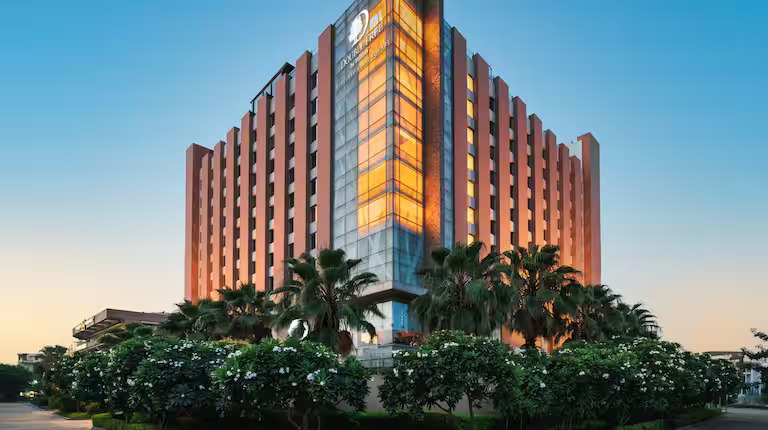
Hilton Garden Inn, Gurugram
Gurugram (Sector 50), Haryana
View project →
Made Easy School, Gurugram
Gurugram, Haryana
View project →
Services, cities, and resources
Commercial landscaping procurement spans craft pillars and buyer contexts. Use these links to navigate execution scope, cities, and procurement guides.
Services
Other segments
Cost & tools
FAQs
- LEED, WELL, or ESG requirements — how do you handle them?
- We treat certification expectations as procurement inputs: documented planting and water discipline assumptions, hardscape and irrigation scope aligned to measurable outcomes, and an AMC facilities can actually run. Closeout records align to submission fields when specified in contract — we do not claim credits not assigned to landscape scope.
- How do you design security planting without blocking sightlines?
- Security drives growth control. We plan hedge placement, heights, and density to preserve CCTV coverage and corner sight triangles while delivering privacy and dust buffering. BOQ includes maintenance expectations so hedges stay within approved visibility windows.
- Can you create bus-bay and parking shade that stays low maintenance?
- Yes. Shade trees and island planters use durable edge build-ups, correct drainage falls, and protected tree pit detailing. Irrigation zoning and valve access are mapped for facilities so shade does not become an AMC burden.
- How do you handle lawns and event edges for high footfall?
- We plan wear hotspots and establishment watering so turf survives first usage cycles. Event lawns include protection and recovery protocols in the AMC and BOQ narrative.
- What about EV charging areas and the landscaping around them?
- EV-adjacent landscaping needs clear electrical and cable interface boundaries. We coordinate planting and hardscape around charging infrastructure and document interface ownership in the BOQ.
- Outdoor food spill-out edges — how do you prevent grease issues?
- We coordinate edge detailing with cleaning chemistry and spill containment: hardscape finishes suited to grease removal, drainage locations that avoid residue migration into planting soil, and media depth SOPs near dining edges.
- Rooftop or podium café landscapes — what changes?
- Podium landscapes require waterproofing interface discipline, controlled media depth, and planter drainage that protects the structure. Interface boundaries and maintenance SOPs are documented for facilities and AMC teams.
- Can you standardize across multiple cities for one corporate client?
- We standardize procurement methodology and documentation while adapting plant palette and irrigation commissioning to each site's climate, water quality, and monsoon behavior.
- How do you phase an occupied corporate campus renovation?
- We phase by operational zones and access corridors, using weekend and holiday windows for noisy works. Finished paving and edges are protected during contractor traffic; snagging and hypercare planning keep the campus steadily improving.
- Do you take AMC without building the landscape?
- Often yes, after a condition survey — scope is honest to inherited plant health, irrigation state, and facilities expectations on occupied campuses.