
Gallery
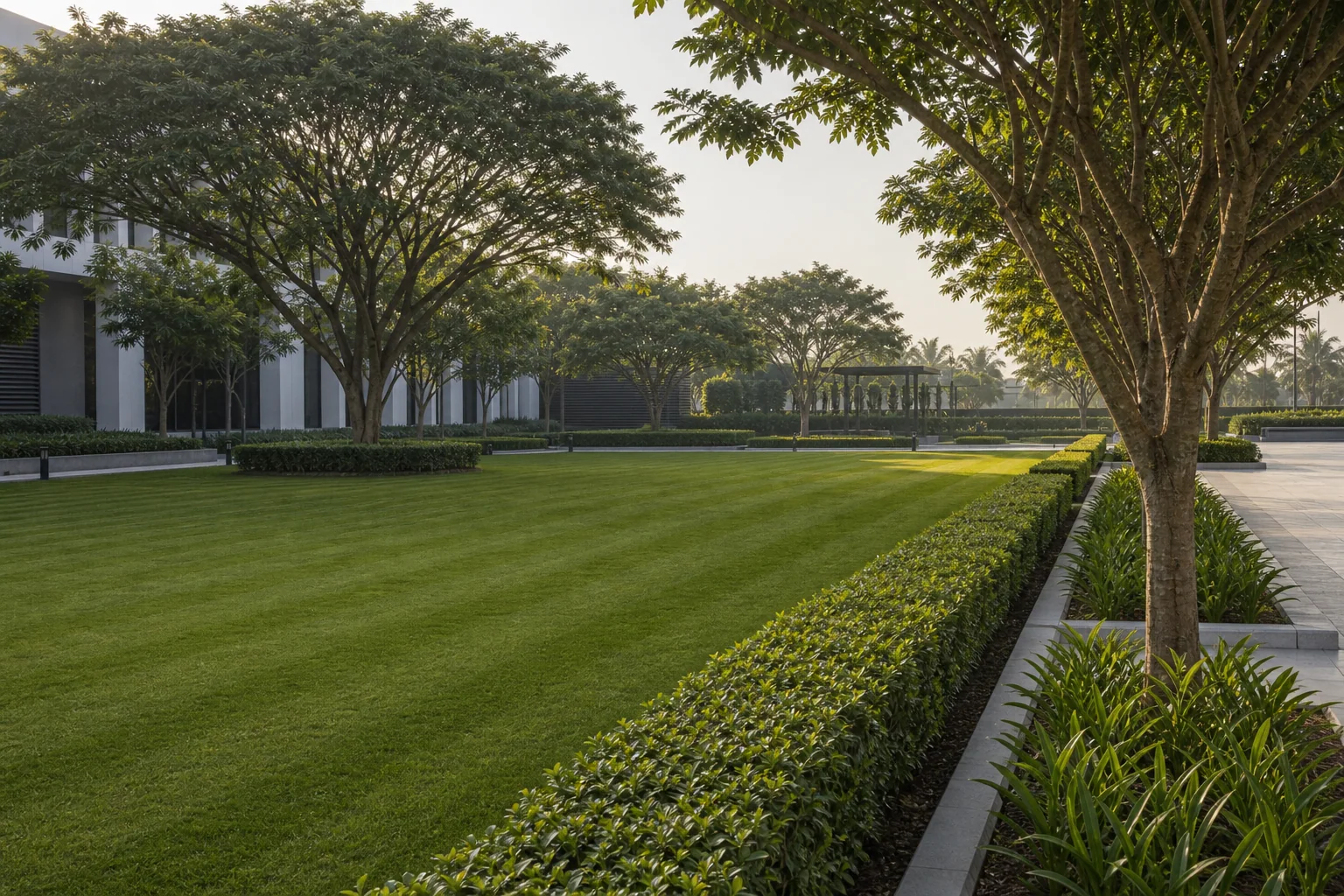
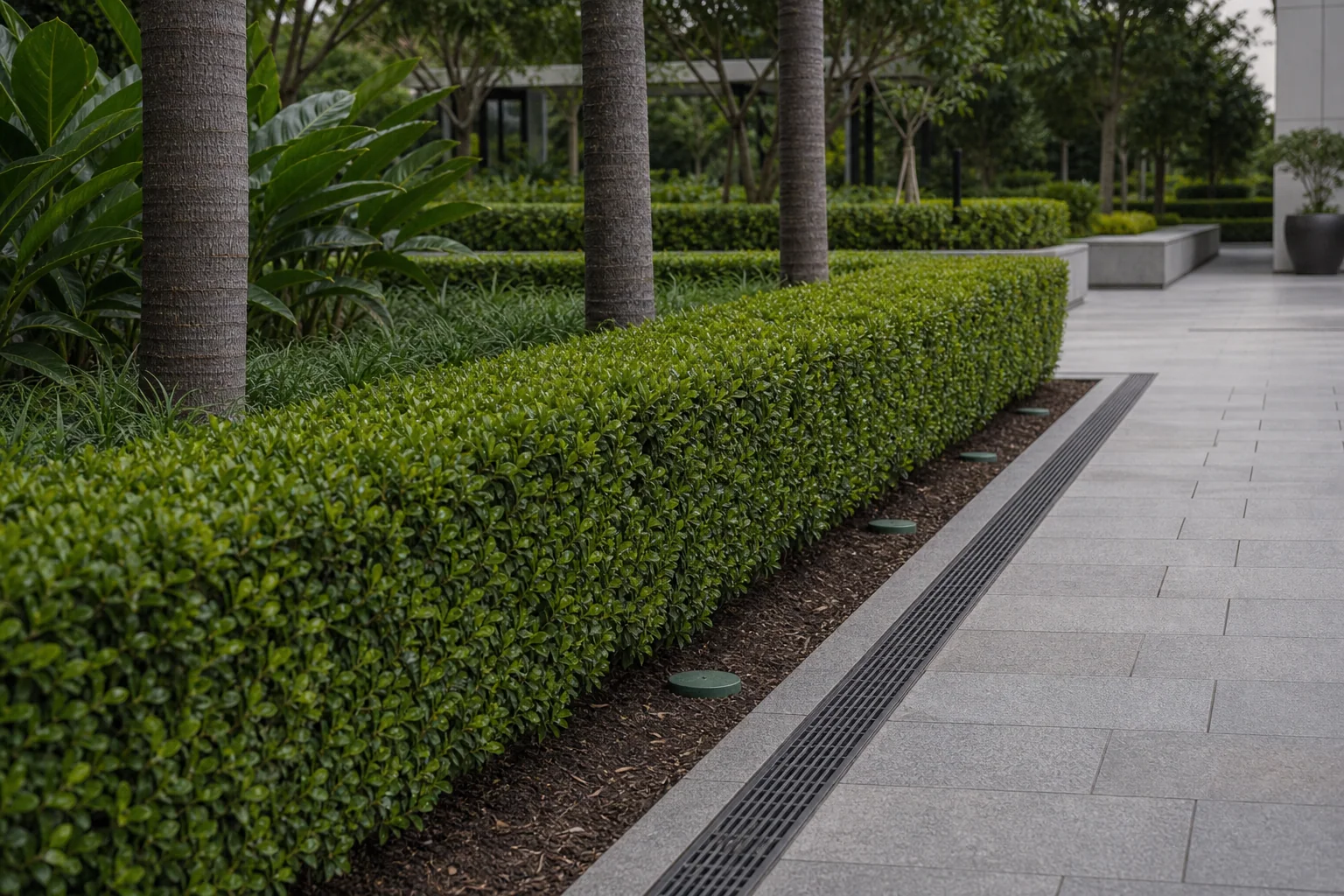
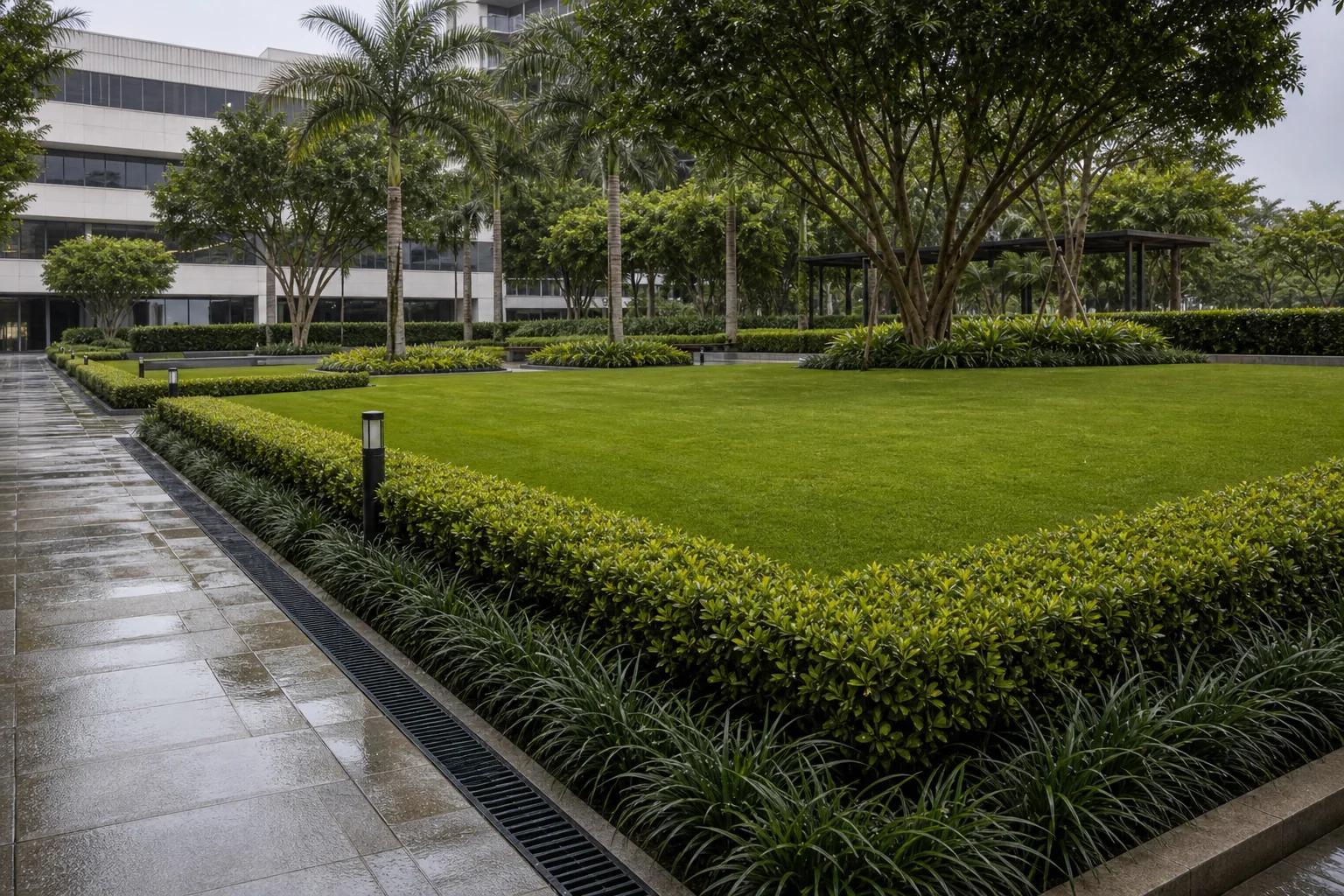
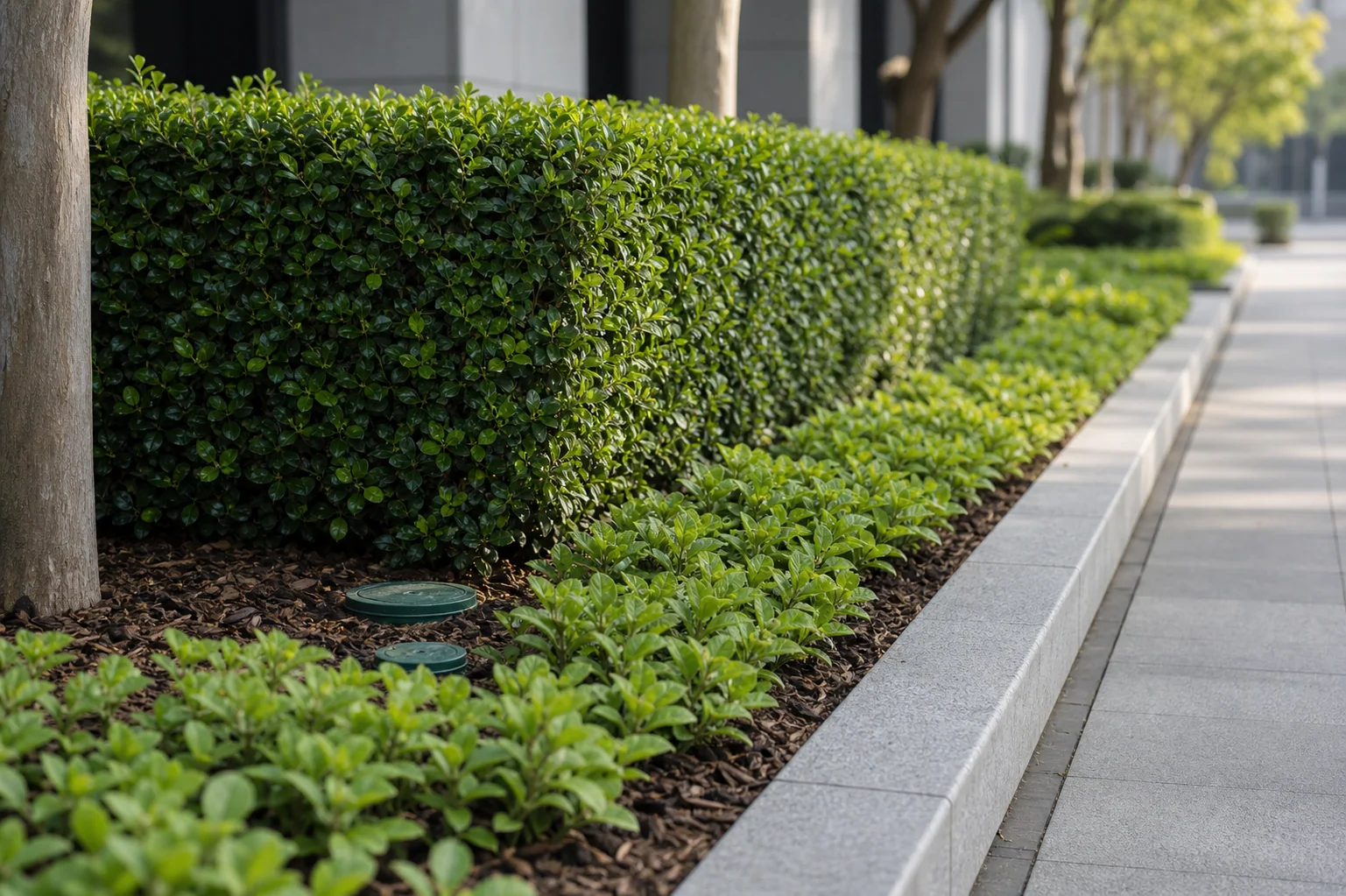
Visual scope gallery
Visual references for this service line.
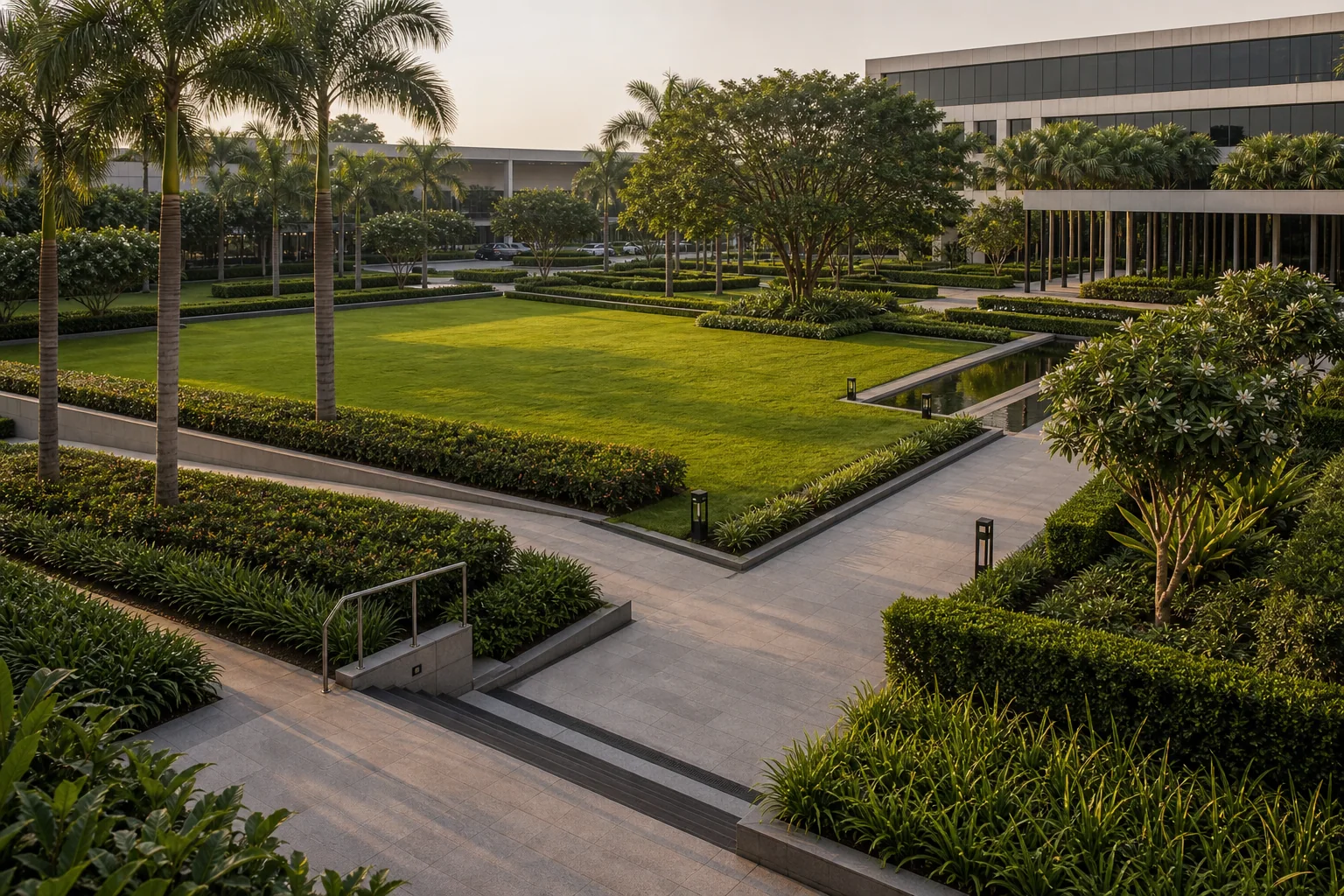
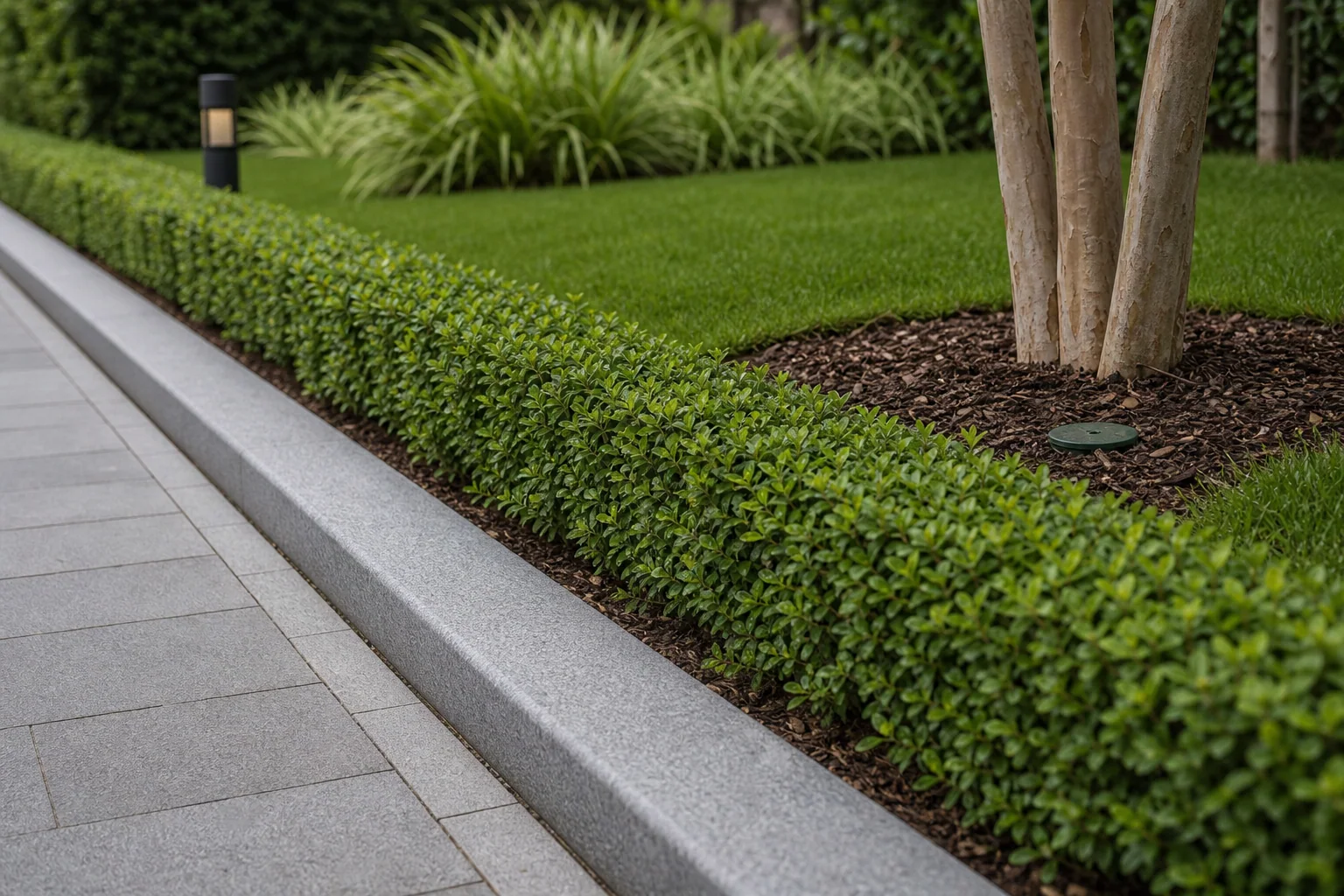
- BOQ-linked scope documentation
- Material specs and submittals
- Phased execution milestones
- Handover and O&M notes
What garden maintenance services should include
A credible annual landscape maintenance contract lists visit frequency by zone, seasonal tasks (pruning windows, fertiliser rounds, aeration, pest cycles), irrigation schedule management, debris rounds, and agreed replanting allowances for a defined percentage of stock. Reporting should be practical: monthly photos, closed punch lists, water-use notes where meters exist, and one accountable contact. Luxury hotels may need night-quiet operations; industrial sites need safety inductions and PPE - both belong in priced scope, not assumptions. Garden maintenance services should reference as-built planting and irrigation so crews are not guessing species, valve IDs, or zone priorities.
Deliverables and service levels
Typical deliverables include scheduled mowing and edging for lawns, hedge trimming to design height tolerances, selective tree pruning per arborist guidelines where large specimens exist, bed weeding and mulch top-up cycles, irrigation run-checks and minor repairs within a labour allowance, fertiliser and biocide applications per approved programmes, and storm response within agreed windows. Service levels define response time for irrigation failures in guest-visible zones versus back-of-house areas. Spare parts, major repairs, and event support are usually pass-through or on a separate rate card.
Specifications, safety, and live-site constraints
Specifications cover equipment noise limits near guest rooms, height access methods for tall hedges, chemical storage and MSDS compliance, and security coordination for after-hours access. Hospitals may restrict spray timing near air intakes; schools need duty-of-care practices and session-aware scheduling; malls need loading-bay coordination. We document induction requirements and maintain logs for audits. Organic or low-chemical programmes are available where clients mandate them. Dust-storm recovery on Delhi NCR sites, monsoon debris on riverfront belts, and festival load-in damage on lawns should be explicit inclusions or exclusions - not surprises mid-contract.
Process, QA, and seasonal programmes
QA includes supervisor spot checks, before/after photo logs for major pruning, and seasonal walkthroughs with client stakeholders. Pruning aligns to flowering and growth cycles so landscapes do not look scalped before VIP visits. Irrigation programmes update after monsoon and before peak summer. Tree risk assessments for large specimens may be annual add-ons. Quarterly reviews summarise spend, replacements, and capital recommendations for failing infrastructure. North Indian monsoon spikes fungal pressure on tender turf; pre-monsoon heat waves demand irrigation audits on south-west exposures.
Risks when AMC scope is under-defined
Under-scoped contracts defer pruning, allow irrigation drift, and produce gradual decline that shows as brown patches before opening season. Under-priced AMCs cut visits first - then facility teams blame the contractor. Clear zone priorities (front arrival versus service yard) prevent silent degradation of guest-visible areas. Specimen tree failure after handover often traces to irrigation suspension or incorrect pruning - exclusions must be stated clearly. We prefer honest scope over race-to-bottom pricing that leaves both parties dissatisfied at renewal.
BOQ and procurement checklist for AMC tenders
Tender BOQ should state site area by zone, tree counts by size class, linear hedge metres, turf area, irrigation valve count, visit frequency, resident versus scheduled crew model, and any inclusive plant replacement budget. Separate line items for STP water quality testing, specialist tree work, event support, and CAFM or ticketing integration. Three-year pricing with inflation index is common for corporates. Transition from a previous vendor needs a joint condition survey and handover checklist. Compare quotations on visit frequency and zone coverage, not headline per-acre rates alone.
Construction handover and establishment overlap
Handover from design-build to AMC should include completed establishment period, as-builts, controller access, and joint snagging sign-off. Early AMC months focus on establishment tuning - frequencies are higher until planting stabilizes. Overlap weeks between installer and AMC team improve knowledge transfer on valve charts and species quirks. Developer sites may delay full AMC until occupancy stabilizes; interim scopes cover survival watering only. Bundled new-build plus AMC pricing should be scoped during tender, not after retention release.
FM reporting, audits, and capital planning
Facility dashboards increasingly expect ticket closure, photo evidence, and water-use commentary. We structure monthly PDF or portal reports with zone-wise status, incidents, and recommendations. Annual tree risk audits flag cable rub, co-dominant stems, and root heave on paths - capital works then get budgeted before monsoon. Hedge height drift relative to CCTV sightlines is logged for security teams. Malls document event load-in damage for charge-back. Industrial clients receive records suited to green-belt compliance audits. This layer turns mowing into asset management rather than cosmetic visits.
Where AMC fits across markets and related crafts
Maintenance intensity varies by segment: hotels prioritise arrival and pool edges; corporate campuses balance large turf blocks with podium planting; malls need night shifts and event recovery; industrial sites emphasise safety inductions and perimeter green belts; hospitals and schools add spray and scheduling constraints. AMC inherits irrigation schedules from design-build handover - irrigation and softscape scopes define what crews receive at turnover. Hotel, corporate, mall, industrial, hospital, and school segment pages describe typical drivers; Delhi NCR, Mumbai, Bengaluru, and Gurugram city pages note climate and logistics differences. For BOQ-aligned annual landscape maintenance contract pricing, use the AMC calculator or contact us during RFP preparation.
Relevant projects
Selected projects where FM handover, irrigation operations, seasonal care, and commercial landscape maintenance planning matter after construction. For owner-level context, see landscaping company in India.

Larsen & Toubro Campus, Faridabad
Faridabad, Haryana
Campus-scale outdoor landscape aligned to corporate arrival and circulation
View project →
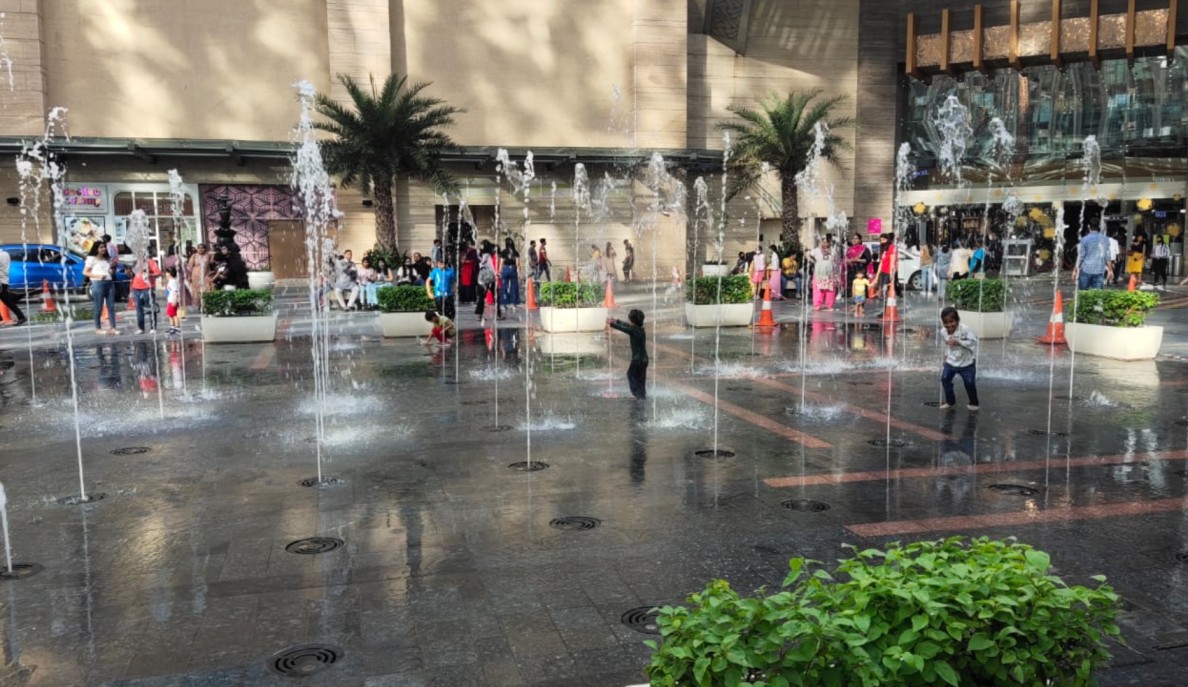
CK Birla Hospital, Gurugram
Gurugram, Haryana
Hospital campus outdoor works — arrival, buffers, patient-visible greens
View project →
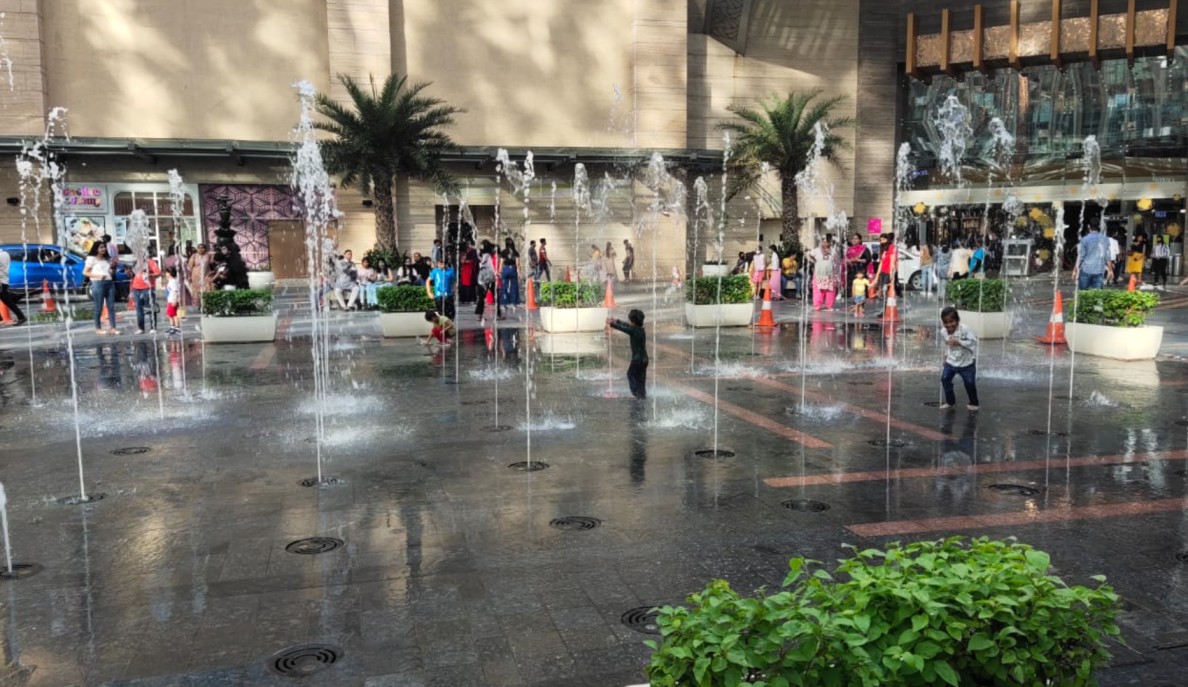
Vegas Mall, Dwarka
Dwarka, New Delhi
Large-format retail plaza and podium landscape
View project →
Related markets, services, and resources
Procurement teams often cross-reference segment scope with craft pillars. Use these hubs to navigate commercial landscaping execution across India.
Markets
Related services
Cost & tools
FAQs
- What is the typical AMC tenure?
- One to three years with renewal; multi-year deals often include CPI-linked escalation and clearer staffing continuity.
- Are plant replacements included?
- Often a small percentage is included annually; larger failures, vandalism, or event damage are usually charged separately or via agreed unit rates.
- Do you maintain pools or water features?
- Water-feature adjacent planting and irrigation yes; pool water chemistry is usually specialist MEP scope unless bundled explicitly in the contract.
- Can you align with LEED or green building reporting?
- Yes - water use, chemical reduction, and organic fraction can be tracked where the contract requires reporting fields for sustainability submissions.
- What happens during monsoon?
- Drainage checks, disease monitoring, selective pruning after storms, and irrigation reduction are standard seasonal adjustments in north and central India.
- Do you provide full-time on-site gardeners?
- Large campuses and hotels often have resident crews; smaller sites use scheduled visit teams - the BOQ defines which model applies.
- How do you price garden maintenance services or landscape AMC?
- From site survey, zone area, plant palette complexity, service levels, and staffing model - not from generic per-acre rates alone.
- Can you take over from another vendor?
- Yes - we start with a condition survey, gap list, and phased correction plan before committing to full service levels.
- Do you integrate with CAFM or ticketing systems?
- Where clients provide API or email-to-ticket gateways, we log closures with photo URLs; otherwise monthly PDF packs serve sites without integrated FM software.