
Market segment
Developer Landscaping in India
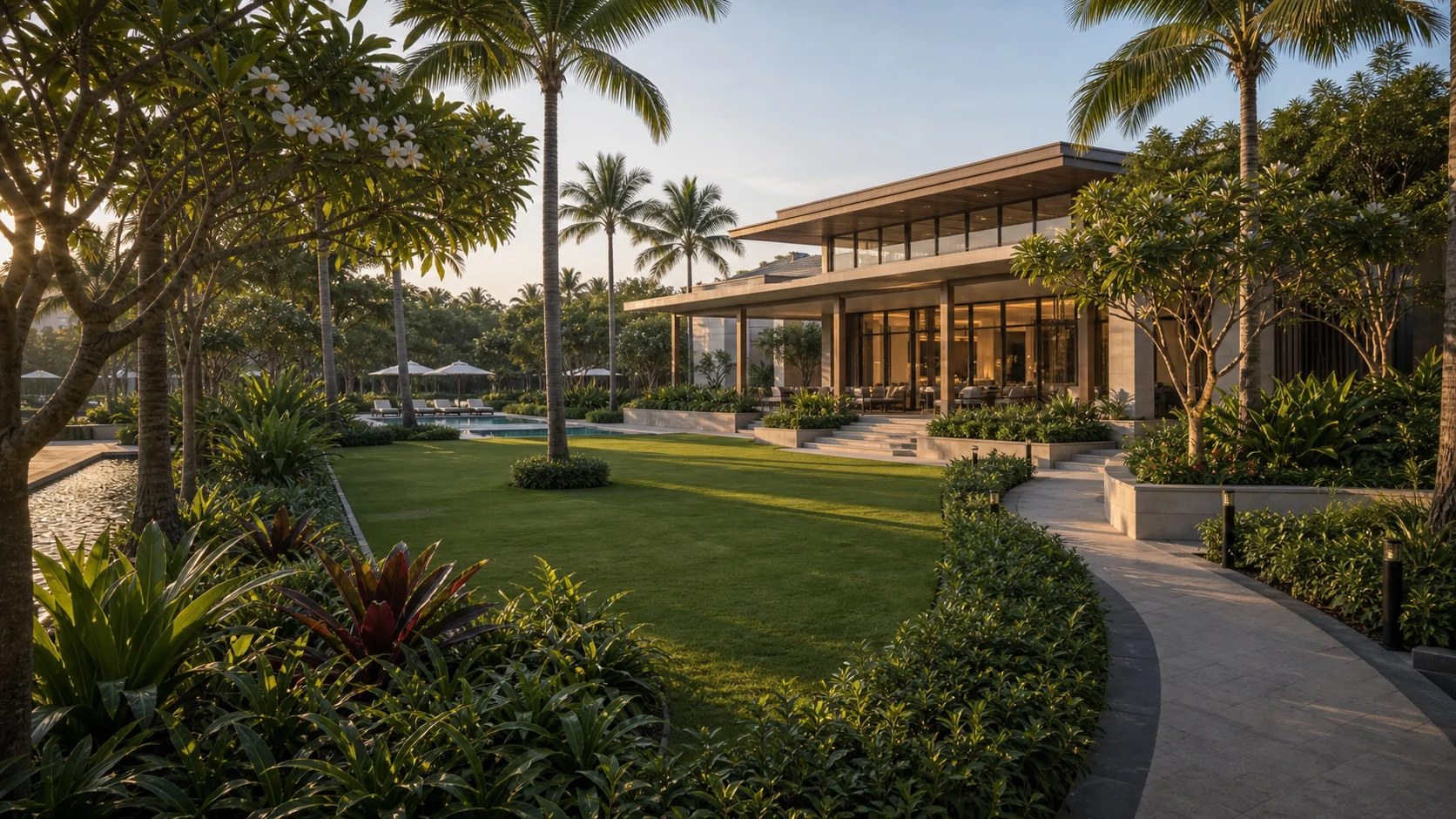
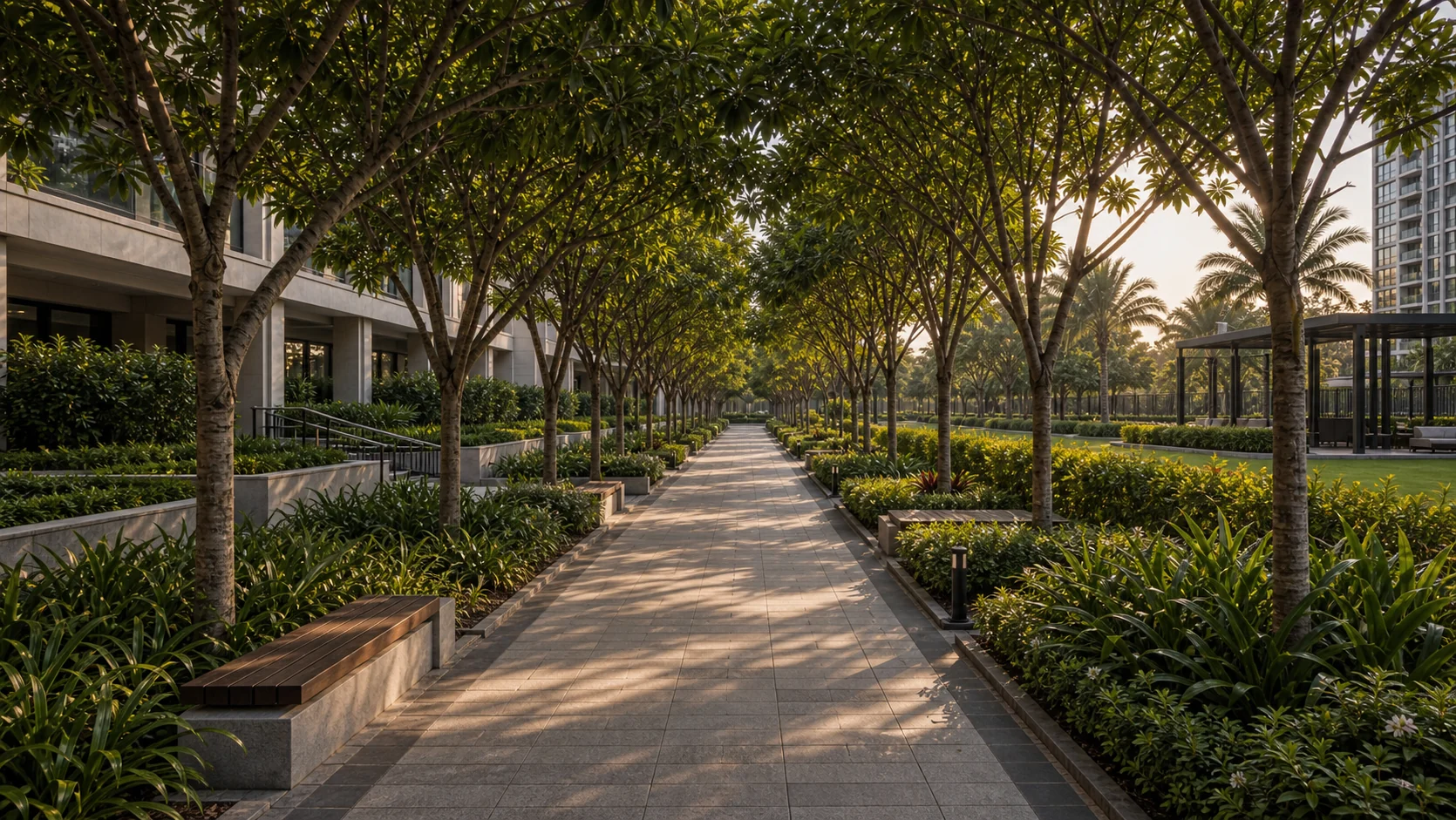
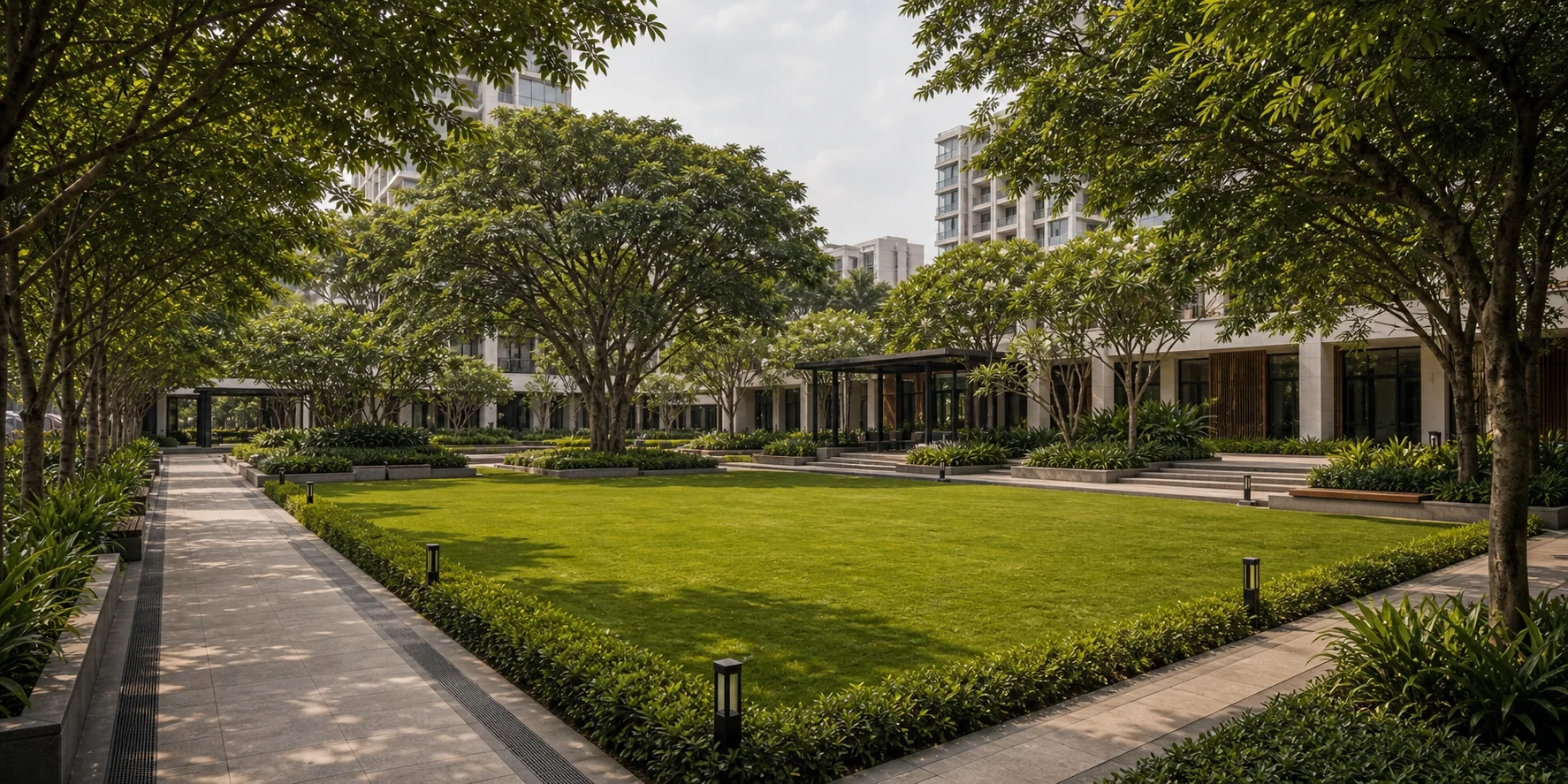
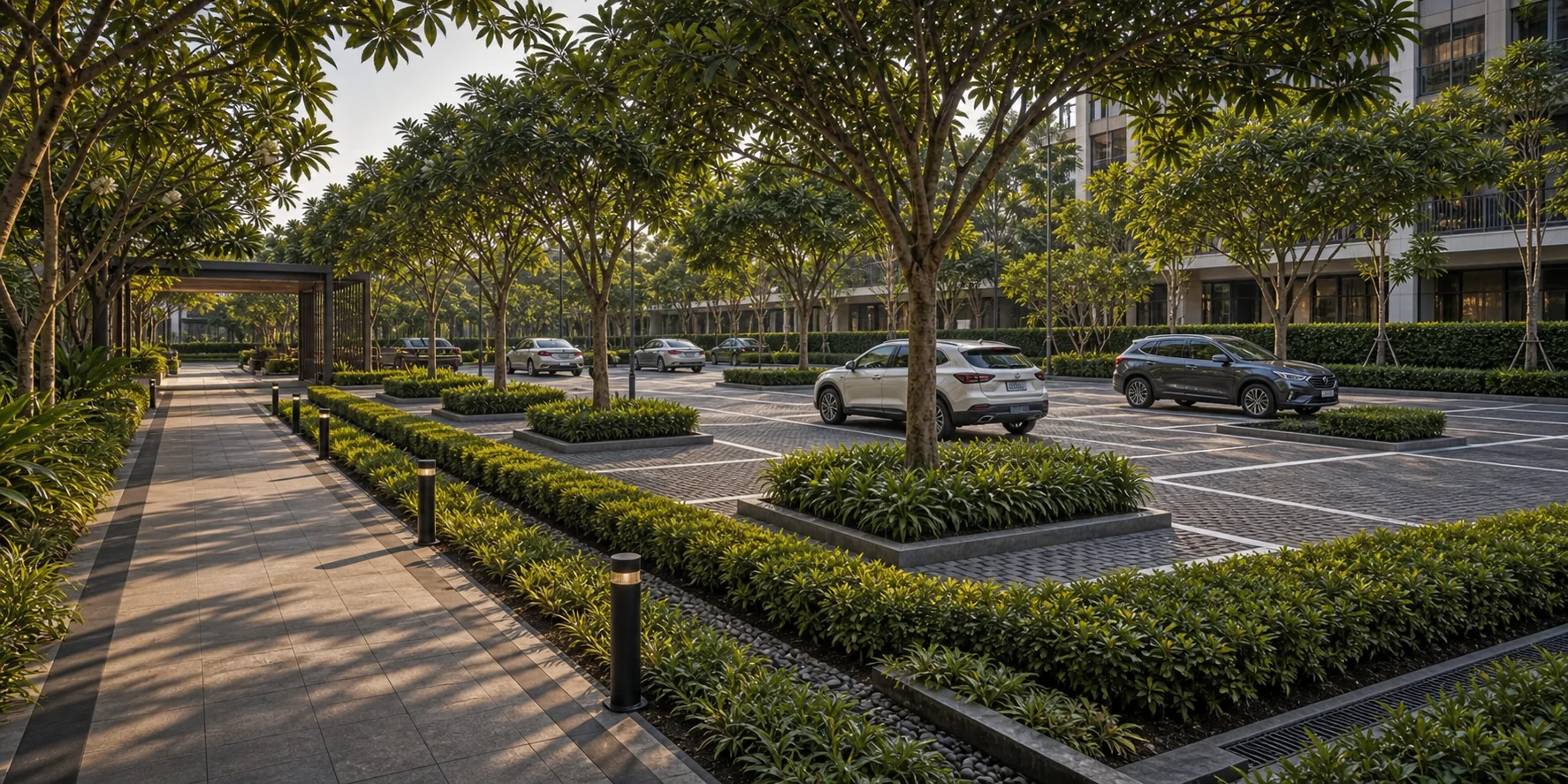
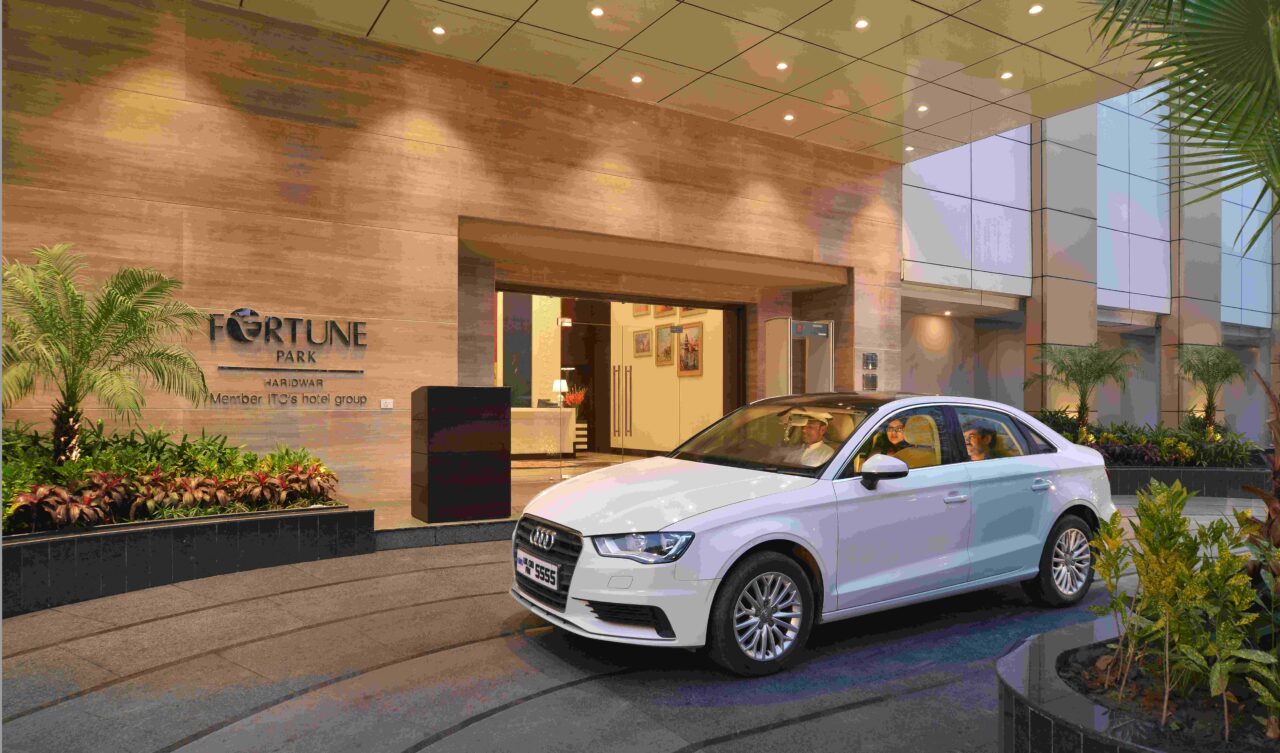
Residential townships and mixed-use developments need landscapes that read premium on sales-gallery days and stay maintainable through tower-wise RERA possession - not only photograph well before handover. Four Leaf delivers developer landscaping across India with zone-wise BOQ discipline, phasing around active construction, and handover documentation RWA teams can audit. Scope spans arrival courts, internal avenues, clubhouse exteriors, podium planters, terrace edges, and sales-gallery forecourts. Named references on our public roster include Pioneer Urban Gurugram, Baani Group Gurugram, DASNAC Delhi, Metro Buildtech Delhi, NRI City Kanpur, and SBTIL Group - individual project references, not developer endorsements. Request a site assessment to align scope before tender lock.

Section
Buyers and decision drivers
Real estate developer landscape procurement is rarely a single sign-off. Project directors align landscape with tower, clubhouse, and MEP programmes; sales and marketing need outdoor spaces that support launch photography and possession-day expectations; cost planners need zone-indexed BOQ lines contractors can compare; and transition teams need RWA-ready documentation before the first resident complaints. Architects specify podium and terrace interfaces; civil teams own drainage levels and waterproofing sign-off. We attend pre-bid walks with civil and MEP, document interface ownership before pricing, and scope from focused arrival upgrades to full township exterior packages - inside an EPC landscape lot or as nominated subcontract.
Section
Typical developer landscape scope
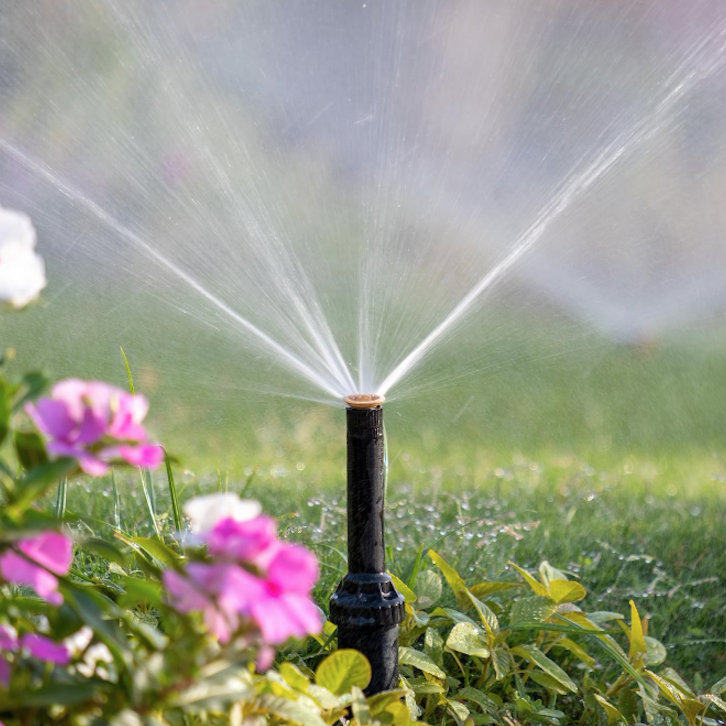
Developer landscaping usually includes arrival courts and access avenues, internal pedestrian loops, clubhouse forecourts, sales-gallery edges, signage decks, and podium or terrace planters where residents expect greenery on possession. Hardscape is detailed for daily footfall and wet-season cleaning: paver and stone classes, jointing strategy, drainage falls, and edge conditions near columns and walls. Softscape plans for urban establishment: soil and media depth, growth control near security routes, and species aligned to monsoon behaviour and water assumptions. Irrigation, outdoor lighting scenes, and drainage layers are part of the build when in scope - not add-ons left for the RWA to guess. Terrace and podium garden discipline, including vertical planting where specified, sits on our terrace and podium gardens service page when architects split disciplines.
Section
Clubhouse, podium, and pool interfaces
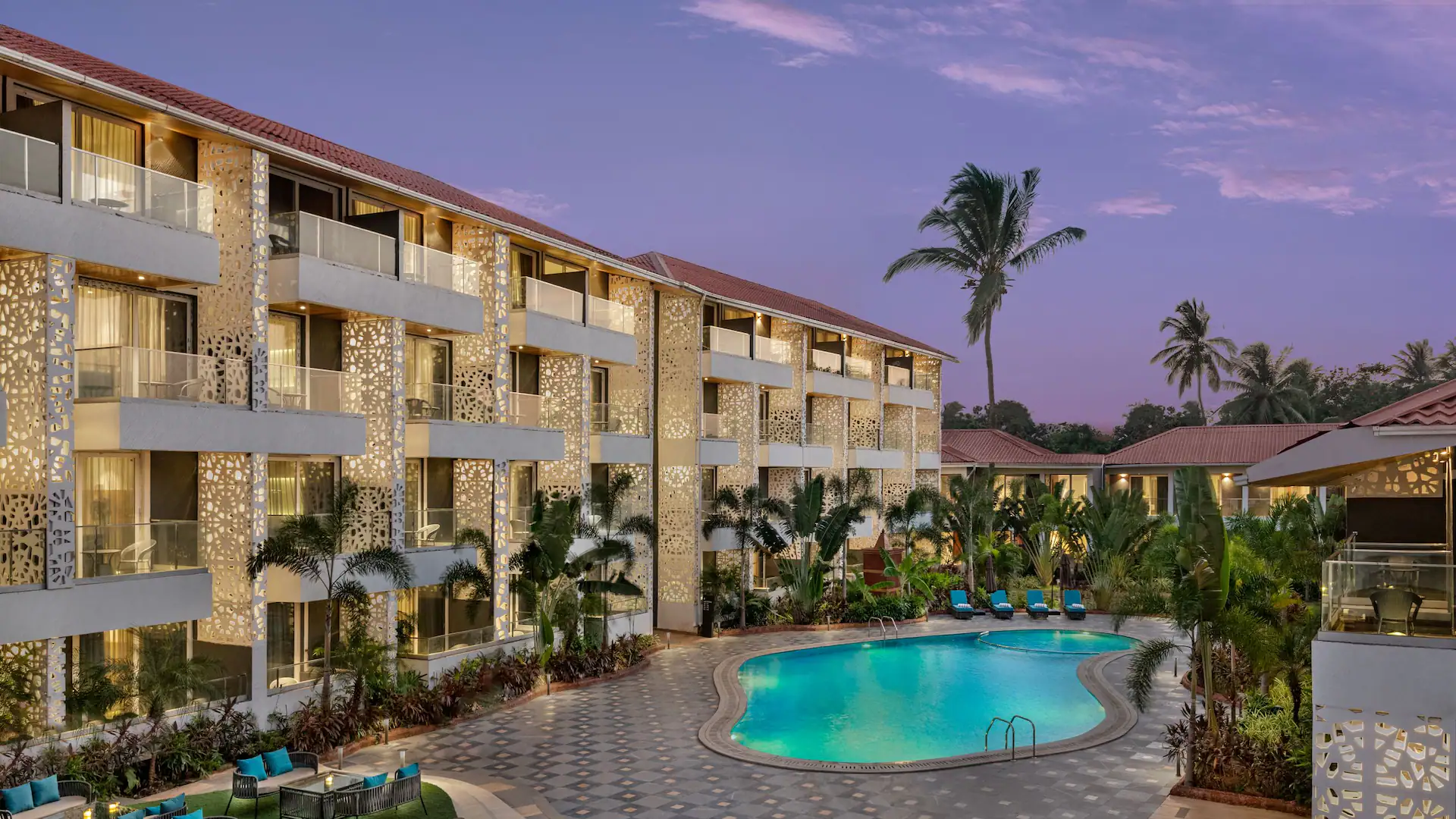
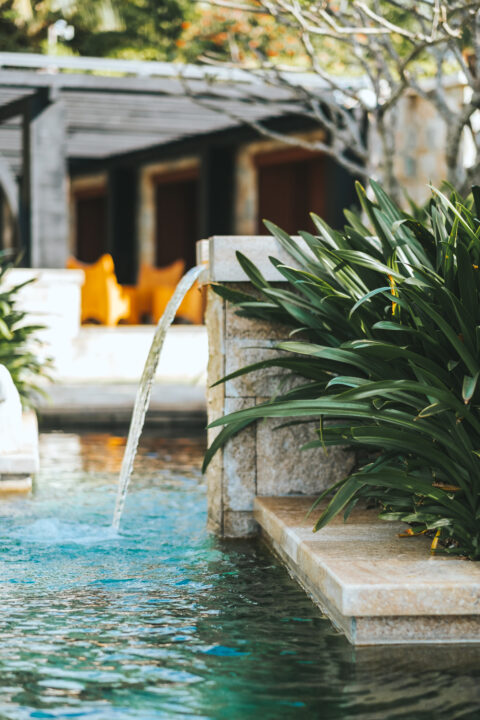
Clubhouse landscapes combine arrival dignity, pool-deck safety, and amenity edges residents use daily. Pool shell, pumps, and filtration stay with the pool contractor; landscape handles coping, deck paving, planting setbacks, and drainage to the water line. Podium and terrace work needs waterproofing interface discipline, controlled media depth, and planter drainage that protects the slab - structural waterproofing remains with civil. Specimen trees at clubhouse arrival may require crane windows and nursery lead times; mature forms for sales galleries are covered on our imported and specimen trees hub when procurement splits supply from installation. Where outdoor lighting scenes are included, control points and glare near pedestrian routes are coordinated with electrical scope.
Section
RERA phasing and possession waves
Phasing is where developer landscaping wins or loses programme credibility. We align landscape delivery to tower-wise possession, crane sequencing, soil-fill windows, waterproofing sign-off, and establishment watering timeframes. Early photo-ready zones - sales galleries, model-flat approaches, clubhouse arrival - are separated from later establishment zones while maintaining design continuity. Monsoon-safe sequences avoid finished surfaces over wet substrate; drainage layers are pressure-tested before repeated rainy cycles. Protected contractor routes preserve finished edges until traffic patterns stabilise. Irrigation zones are isolated and tested as the build progresses so later packages do not break earlier work. Closeout includes wave-indexed snag lists mapped to RERA handover milestones.
Section
RWA transition and handover documentation
RWA transition is an operating change, not a single handover event. Four Leaf delivers FM-operable O&M manuals, valve charts, controller and zone references, as-built records, and maintenance SOPs matched to the installed plant palette. Training covers isolation valves, drainage response, and watering cycles that avoid root stress and slick paving. Where developers offer a post-handover maintenance bridge, scope and replacement boundaries are explicit before residents take ownership. Documentation supports internal approvals and possession audits - not marketing folders the facilities team cannot use.
Section
Engineering handover and AMC
Year-one establishment is heavier than steady-state AMC: irrigation tuning, replacement planting at wear hotspots, and resealing at wet zones near club pools. Handover delivers controllers, valve charts, seasonal adjustment notes, and maintenance SOPs aligned to the installed palette. Developer AMC must be operationally enforceable - hedge trimming that preserves sightlines, litter response after events, and irrigation fault isolation logic RWA teams can run. Multi-year AMC with CPI escalation is common when procurement wants a long-term OPEX baseline; replacement boundaries for establishment gaps stay explicit in contract language. Use our landscape maintenance AMC calculator when budgeting steady-state OPEX after the defect liability period.
Section
BOQ and tender checklist for developers
Procurement-ready developer BOQ should separate work by zone and interface: arrival and access hardscape, internal avenues, clubhouse and pool-deck packages, podium and terrace planters, planting by growth-control expectation and media depth, irrigation mainlines and zones with controllers and isolation valves, drainage layer stacks tied to civil outfalls, and outdoor lighting fixtures with control points. Include mock-up allowances where marketing controls finishes; provisional sums only for genuine discovery items. Phasing milestones, twelve-month defect liability, as-builts, snagging packs, training days, and FM-ready documentation belong in the BOQ narrative. Exclusions - pool shell, structural waterproofing, interior atrium planting unless contracted - must be stated so tender comparisons stay honest. Compare quotations using structured BOQ line items and our cost guide benchmarks, not lump-sum garden quotes alone.
Section
Failure modes we design out
Developer landscape failures are predictable but expensive when interfaces and establishment time are handled loosely. Podium leak events from wrong planter drainage, irrigation overspray creating slick arrival paving, immature possession expectations before rooting cycles complete, and marketing finishes RWA teams cannot maintain all drive post-handover complaints. Monsoon ponding from inadequate falls, shallow podium pits that hold water, and plant overgrowth blocking security sightlines show up in the first resident season. We mitigate with pre-install audits, soil and water assumptions stated in the BOQ, commissioning checkpoints, protected-area sequencing, and closeout checklists tied to maintenance ownership. Heat-stressed NCR programmes need species and irrigation assumptions honest to dust load and summer peaks.
Section
Developer landscaping across India
Headquartered in Delhi NCR, we mobilise teams nationally. Monsoon intensity, water quality, heat stress, and haul logistics vary by state - species and irrigation commissioning adapt while method stays consistent. Gurugram and Noida-corridor townships repeat podium waterproofing, crane windows, and fast sales-gallery maturity themes; Kanpur and central-India projects design around monsoon drainage behaviour; Goa and coastal developer clubhouses need salt and wind honesty in species selection. National buyers start here for scope and BOQ discipline; depth on RERA phasing, Dwarka Expressway, and NCR developer patterns sits on our developer landscaping Delhi NCR segment-city page. Warehouse and logistics buffers with overlapping constraints are covered on our warehouse and logistics landscaping page when the brief includes industrial edges.
Section
How to engage
Share your tower or possession wave plan, site drawings showing arrival, clubhouse, podium, and sales-gallery zones, plus target photo dates and handover milestones. Include RERA submission timelines if landscape closeout must align to authority checks. Note waterproofing and drainage assumptions for podium work, pool specialist appointment, and irrigation water source - municipal, bore, STP, or treated water. Attach BOQ drafts or architect drawings when available so we price interfaces correctly and avoid scope drift. After document review we propose phased development, an interface matrix, and an AMC transition approach aligned to RWA ownership. Request a site assessment to confirm access, civil interfaces, and programme realism before BOQ lock.
Proof
Relevant projects
A selection of executed landscapes in this segment. Browse the full projects portfolio.
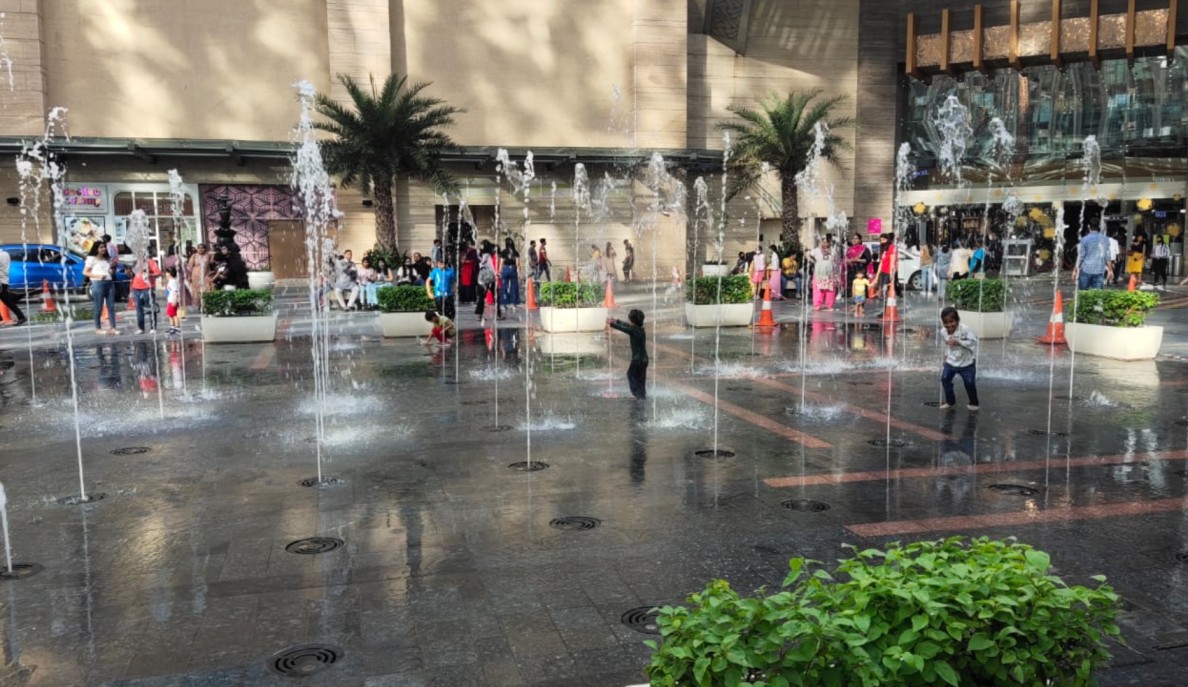
CK Birla Hospital, Gurugram
Gurugram, Haryana
View project →
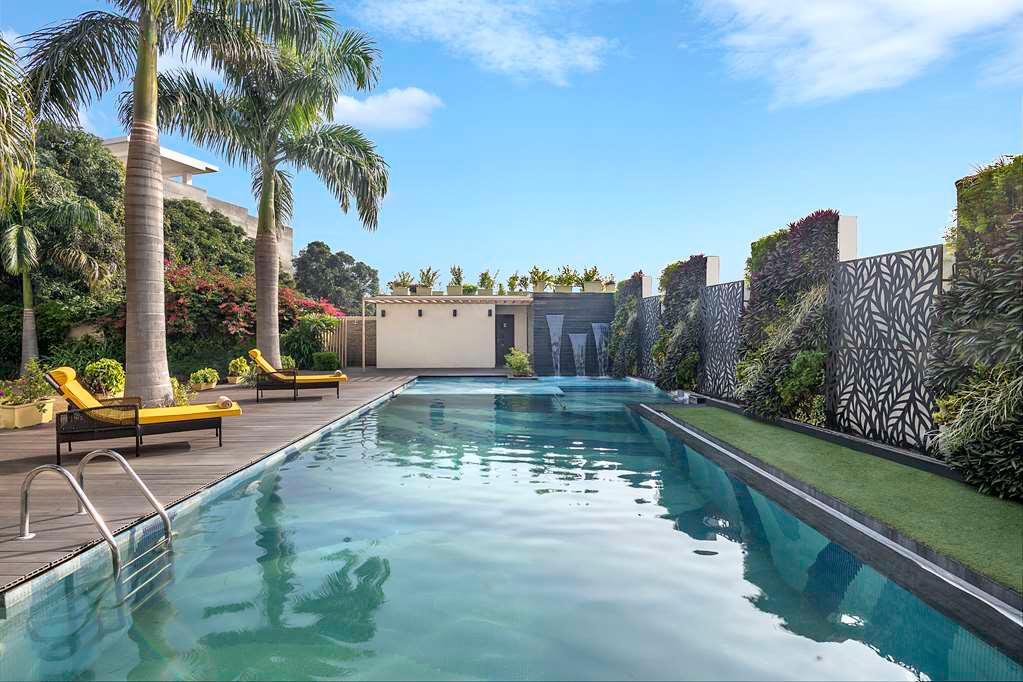
Hero Motocorp, Gurugram
Gurugram, Haryana
View project →
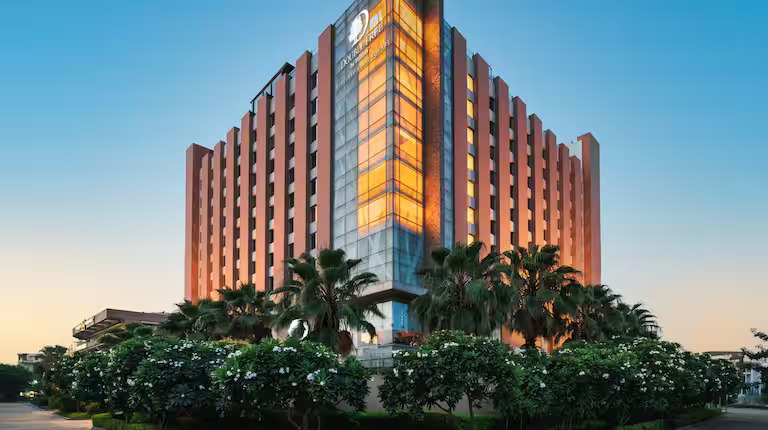
Hilton Garden Inn, Gurugram
Gurugram (Sector 50), Haryana
View project →
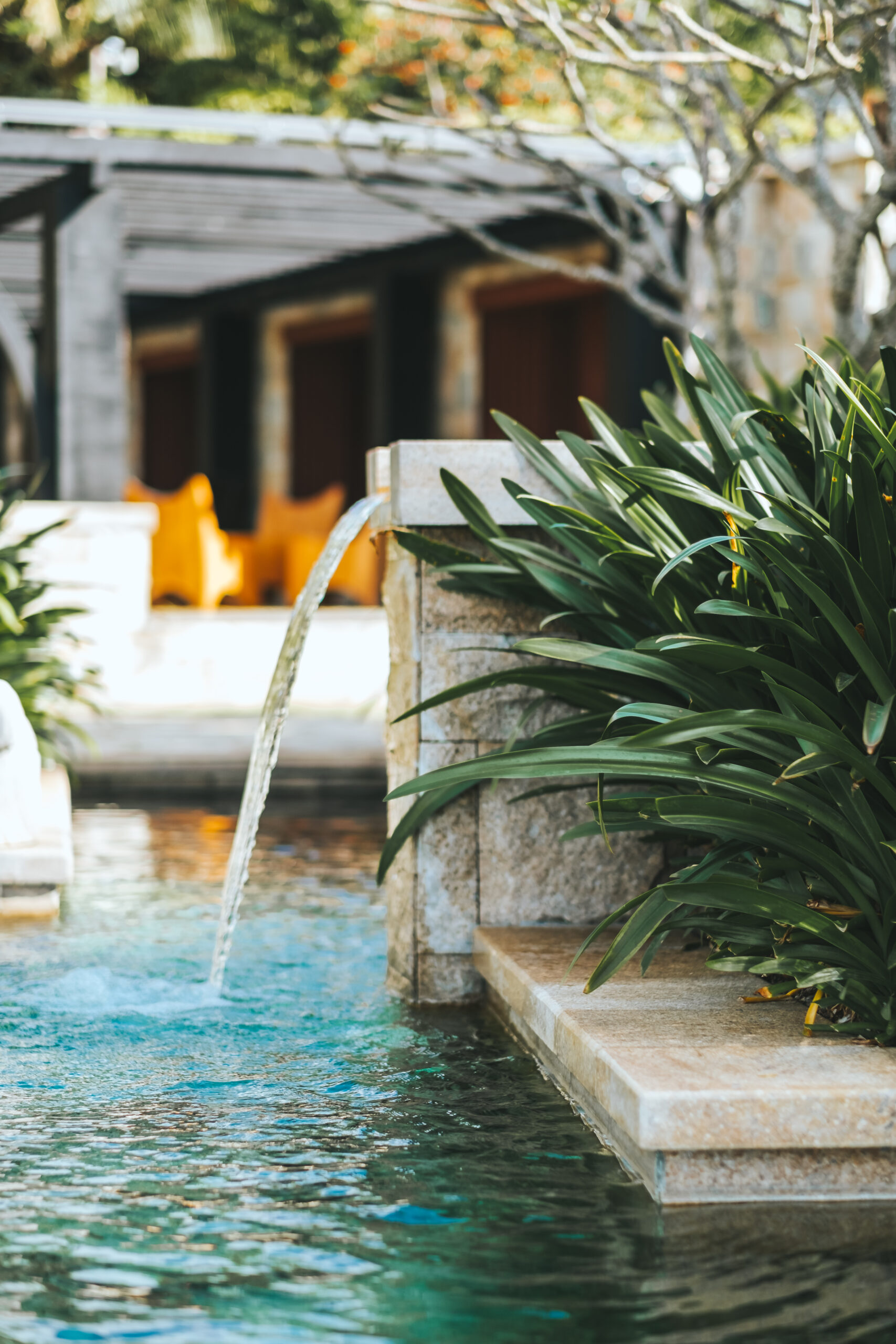
IBM, Noida
Noida, Uttar Pradesh
View project →

Larsen & Toubro Campus, Faridabad
Faridabad, Haryana
View project →
Made Easy School, Gurugram
Gurugram, Haryana
View project →
Services, cities, and resources
Commercial landscaping procurement spans craft pillars and buyer contexts. Use these links to navigate execution scope, cities, and procurement guides.
Services
Other segments
Cost & tools
FAQs
- What does developer landscaping typically include?
- Most scopes cover arrival courts and access avenues, clubhouse forecourts, podium and terrace planters, sales-gallery edges, internal pedestrian paving, irrigation, and outdoor lighting when in contract. Pool deck hardscape and planting to the water line are in landscape scope; pool shell and MEP remain with the pool contractor.
- How do you phase landscaping with tower-wise RERA timelines?
- We align activities to possession waves: early photo-ready zones for sales galleries, soil fill after waterproofing sign-off, establishment watering matched to each phase, and protected routes so finished edges survive contractor traffic. Monsoon float is planned by sequencing drainage work early and pressure-testing falls before finished surfacing.
- How do you prevent podium and terrace waterproofing interface failures?
- Structural waterproofing and slab falls stay with civil; landscape documents planter drainage design, media depth limits, and irrigation zoning within agreed boundaries. BOQ narratives and commissioning checkpoints help contractors install within limits, and closeout includes as-builts and maintenance SOPs tied to those interfaces.
- What documentation does the RWA receive at handover?
- Typical closeout includes O&M manuals, valve charts, controller and zone references, as-built records, and maintenance SOPs matched to the installed palette. Training covers isolation valves and drainage response so facilities teams avoid wrong watering cycles in the first resident season.
- Do you design for STP and treated-water irrigation?
- Where treated water is the source, we align filtration, emitter selection, and flushing schedules with water quality assumptions stated in the BOQ. Commissioning checkpoints reduce line blockage risk during establishment across possession waves.
- How do you coordinate clubhouse pools with landscape work?
- Pool shell, pumps, and filtration stay with the pool contractor. Landscape handles coping, deck paving, planting setbacks, and drainage to the water line. Lighting and control points near wet zones are coordinated with electrical scope while access is still available.
- What does a procurement-ready BOQ look like for developers?
- Zone-indexed lines for hardscape, planting by media depth and growth control, irrigation distribution with valves and controllers, drainage interfaces, outdoor lighting, and closeout deliverables - as-builts, snagging packs, training days, and defect liability expectations. Exclusions must be explicit so tenders compare honestly.
- How do you manage risks around immature possession and establishment?
- We plan establishment-care schedules and replacement allowances against the actual possession calendar. Soil and media assumptions, commissioning standards, and protected-area sequencing reduce early failure. Closeout checklists tie each zone to FM ownership so response is immediate if something deviates.
- What are common failure modes at sales galleries and arrivals?
- Surface slickness from incorrect drainage, irrigation overspray into pedestrian zones, and planting that blocks security sightlines are frequent issues. We mitigate with correct falls, hydrozone discipline, and growth-controlled placements supported by RWA-ready maintenance SOPs.
- Can you work on active sites while sales galleries operate?
- Yes, when programme allows. We phase by zone, segregate contractor routes, protect finished edges until traffic stabilises, and maintain snagging discipline through each wave. Hypercare planning covers the first high-usage period after each phase opens.