
Market segment
Government & Public Sector Landscaping (India)
Government and public-sector landscape projects require disciplined procurement: clear interface responsibility, safety-first execution planning, and AMC-ready handover artifacts so maintenance remains predictable. Four Leaf supports tender structure that protects scope integrity through commissioning and closeout for complex government environments.
Section
Buyer requirements
Procurement needs scope that fits safety, public access patterns, and long-term maintainability. Tender documents should define what is included in landscape responsibility and how acceptance proof is recorded for accountability. This makes execution and handover verifiable.
Section
Typical scopes and deliverables
Typical scope bundles hardscape/civil interfaces, softscape planting, irrigation and water management where applicable, and lighting for safe circulation zones. Procurement should confirm zone boundaries and any excluded interfaces so bids remain comparable. As-builts and O&M documentation should be part of the deliverables.
Section
Constraints & compliance (non-legal summary)
Public-sector projects involve operational constraints and access rules that influence phasing and installation windows. Procurement should require method statements and define safety boundaries so working-site execution remains controlled. Where compliance requirements depend on local authority interpretation, procurement should flag items for documentation review.
Section
Phasing and operational continuity
Phasing should align with public access windows and define how noisy or disruptive activities are scheduled. Procurement should include snagging priorities where operations depend on early opening. This reduces operational disruption and post-award friction.
Section
Maintenance program model (AMC)
AMC should be written in operational terms: routine care cadence, storm response steps, escalation triggers, and replacement boundaries during establishment stages. Facility teams require structured reporting and documentation that ties back to acceptance proof. Procurement should align AMC terms to handover artifacts.
Section
BOQ & tender checklist
Use a BOQ checklist that forces clear definitions for drainage outfalls, irrigation zoning, and lighting termination boundaries where relevant. Include QA hold points and acceptance proof requirements so procurement can verify outcomes. Require bidders to disclose assumptions and substitution approvals workflows.
Section
Featured projects (scope types)
Featured work typically focuses on public building frontages, circulation zones, and maintenance-access landscaping. The aim is to deliver an operationally stable landscape that supports public use and remains maintainable over time. Specific references follow your evidence rules.
Section
How to engage
Procurement can start with a site assessment so interface realities and acceptance checkpoints are incorporated before tender lock. Then connect government scope requirements to service pillars for hardscape, softscape, irrigation, and maintenance. This keeps tender structure discipline-first.
Proof
Relevant projects
A selection of executed landscapes in this segment. Browse the full projects portfolio.
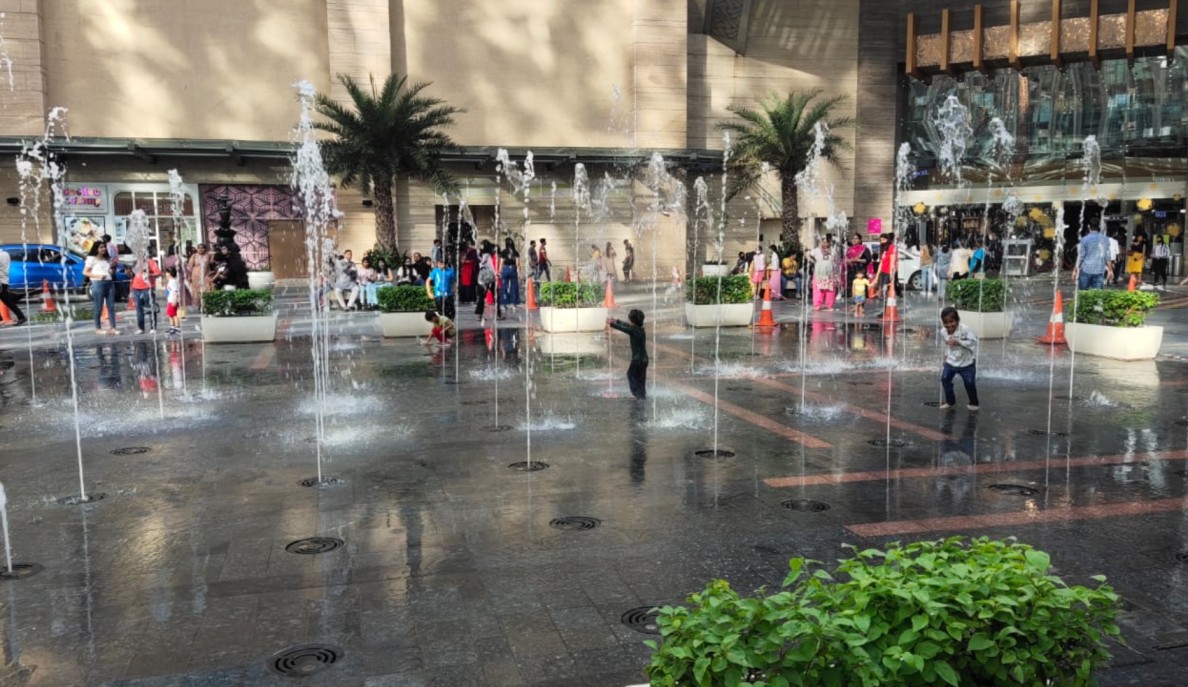
CK Birla Hospital, Gurugram
Gurugram, Haryana
View project →

Hero Motocorp, Gurugram
Gurugram, Haryana
View project →

Hilton Garden Inn, Gurugram
Gurugram (Sector 50), Haryana
View project →

IBM, Noida
Noida, Uttar Pradesh
View project →

Larsen & Toubro Campus, Faridabad
Faridabad, Haryana
View project →
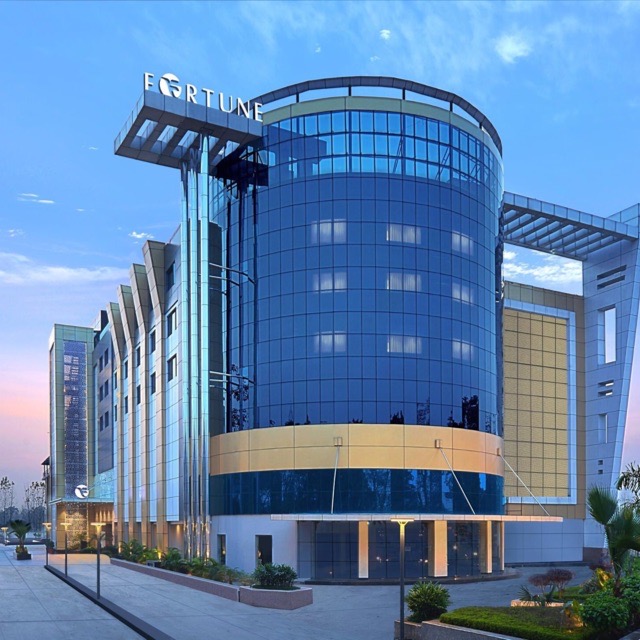
Made Easy School, Gurugram
Gurugram, Haryana
View project →
Services, cities, and resources
Commercial landscaping procurement spans craft pillars and buyer contexts. Use these links to navigate execution scope, cities, and procurement guides.
Services
Other segments
Cost & tools
FAQs
- How do you keep scope accountable for government projects?
- We structure tenders around BOQ interfaces, QA hold points, acceptance evidence, and handover documentation that supports audit-friendly closeout.
- Do you support working-site phasing for public access?
- Yes—phasing is written around access windows and operational continuity, with acceptance and snagging checks aligned to the schedule.
- How do you define drainage interfaces and responsibility?
- Tender scope should specify drainage outfall behavior, slope responsibilities, and interface sign-offs so acceptance evidence is traceable.
- Is irrigation commissioning proof included?
- Irrigation commissioning should include documented coverage checks and controller/program records so facility teams can maintain from as-builts.
- What does AMC reporting look like in these projects?
- AMC reporting includes routine care cadence, storm response logs, and escalation triggers with records that connect to acceptance proof.
- How are substitutions governed?
- Substitutions should be governed by approvals workflows defined in the tender to avoid scope drift.
- When should procurement request a site assessment?
- Request an assessment when interface realities or access rules aren’t clear in drawings so BOQ and acceptance points can be finalized.
- Is this limited only to offices?
- The page targets government and public-sector intent; similar procurement principles apply to adjacent institutional and public environments.