
Prince napier grass
Prince napier grass (Pennisetum purpureum 'Prince')
Pennisetum purpureum 'Prince' is the tall burgundy napier grass for bold backdrop screens and modern plaza edges — dark foliage mass at human scale and above. It is large, vigorous, and tender to cold; containment and honest irrigation separate resort success from ditch-like flop.
Spec
At a glance
- Botanical name
- Pennisetum purpureum 'Prince'
- Family
- Poaceae
- Type
- Ornamental grass (napier cultivar)
- Origin
- Cultivar of P. purpureum — tropical Africa origin species
- Mature height & spread
- Often 2–3 m tall × 1 m+ clump; spreads by stolons in warm soils
- Plume / flower
- Burgundy bottlebrush spikes — secondary to foliage mass
- Foliage colour
- Bold dark burgundy-purple leaves
- Evergreen / deciduous / annual
- Evergreen in frost-free India; browns in hill frost
- Growth rate
- Very fast in heat with water
- Light
- Full sun for deepest colour
- Water
- High for lush burgundy mass
- India climate suitability
- Strong in irrigated tropical and subtropical sites; weak colour if drought-stressed
- Hardiness
- Tender to frost — hill stations need protection or accept dieback
- Invasiveness / containment
- Vigorous stolons — contain like napier; do not plant near open waterways
- Typical supply
- Large pot divisions [Unverified]
- Annual maintenance
- Annual cut-back; thin stolons at bed edge; remove frost-damaged stems
- Cautions
- Large/vigorous; tender to cold; containment at bed boundaries
Gallery
Specimen visual guide
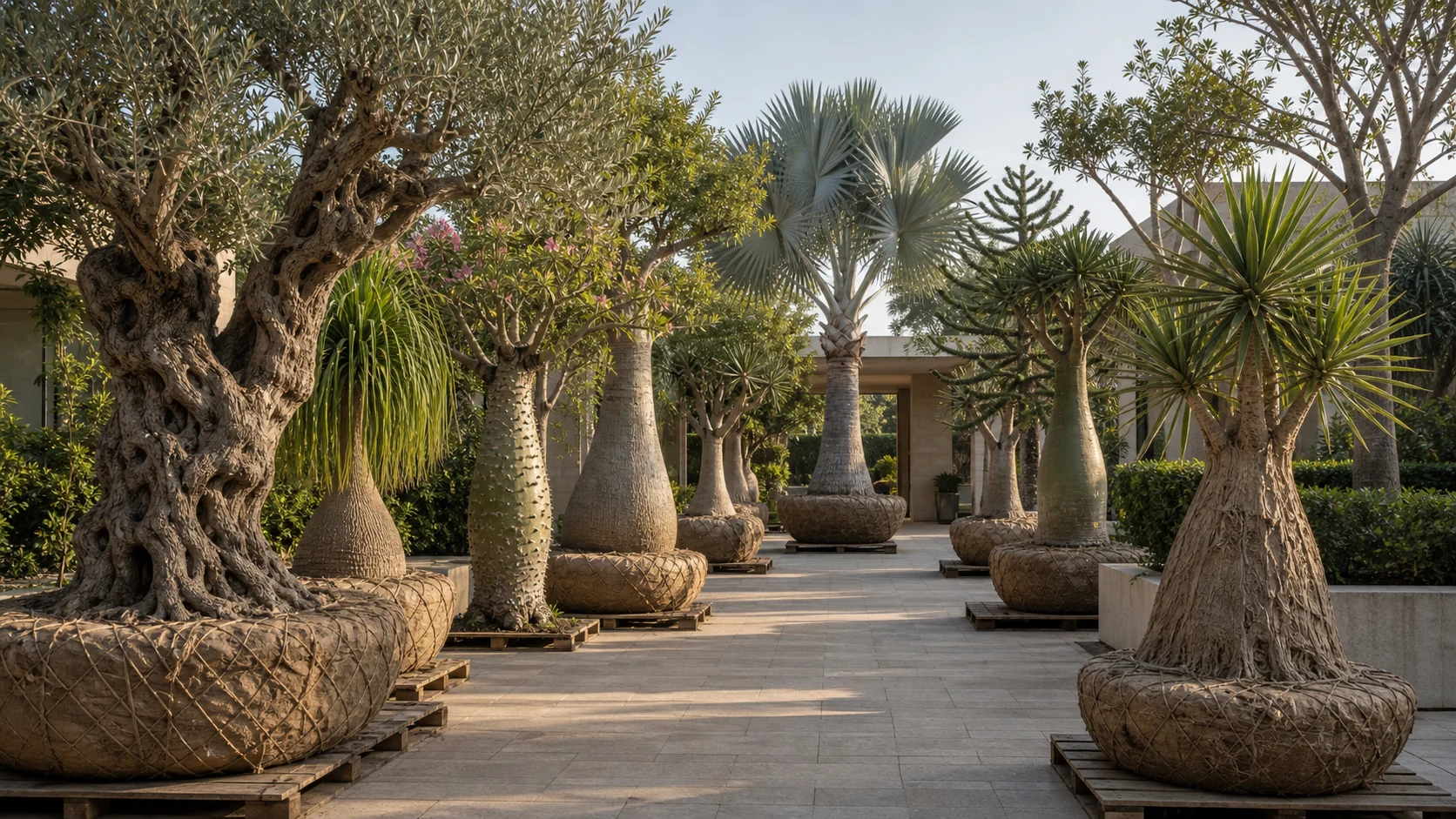
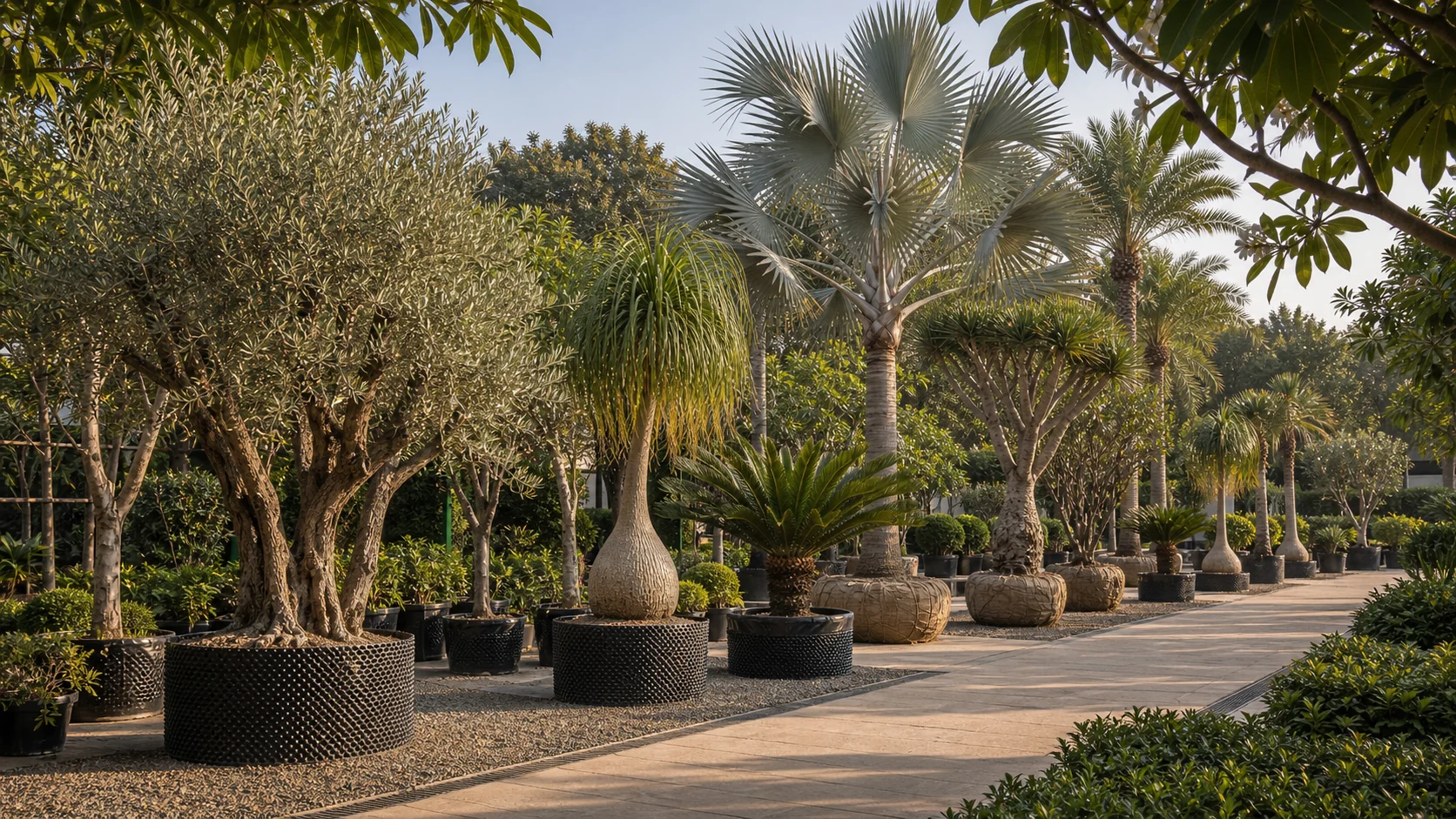
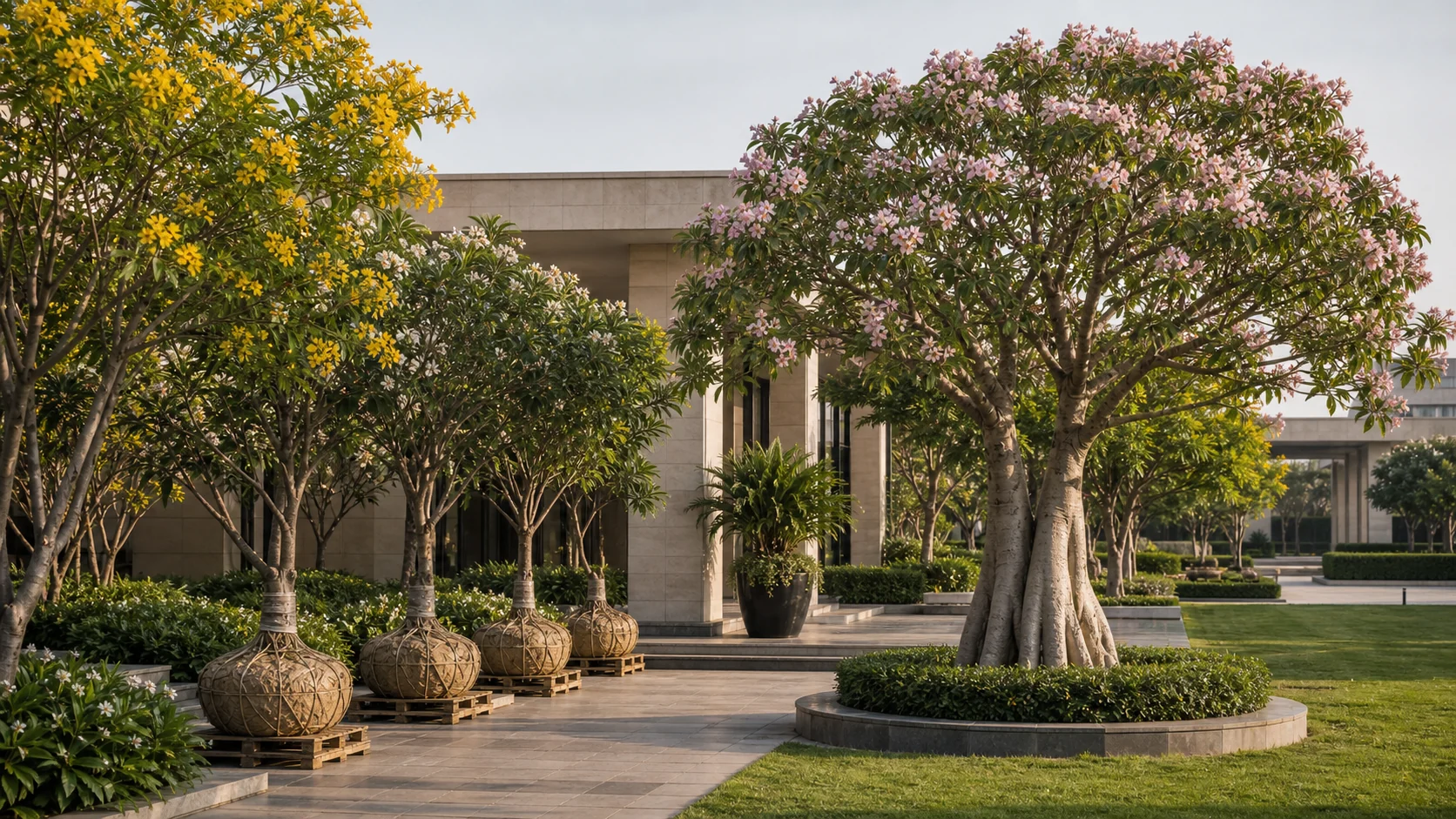
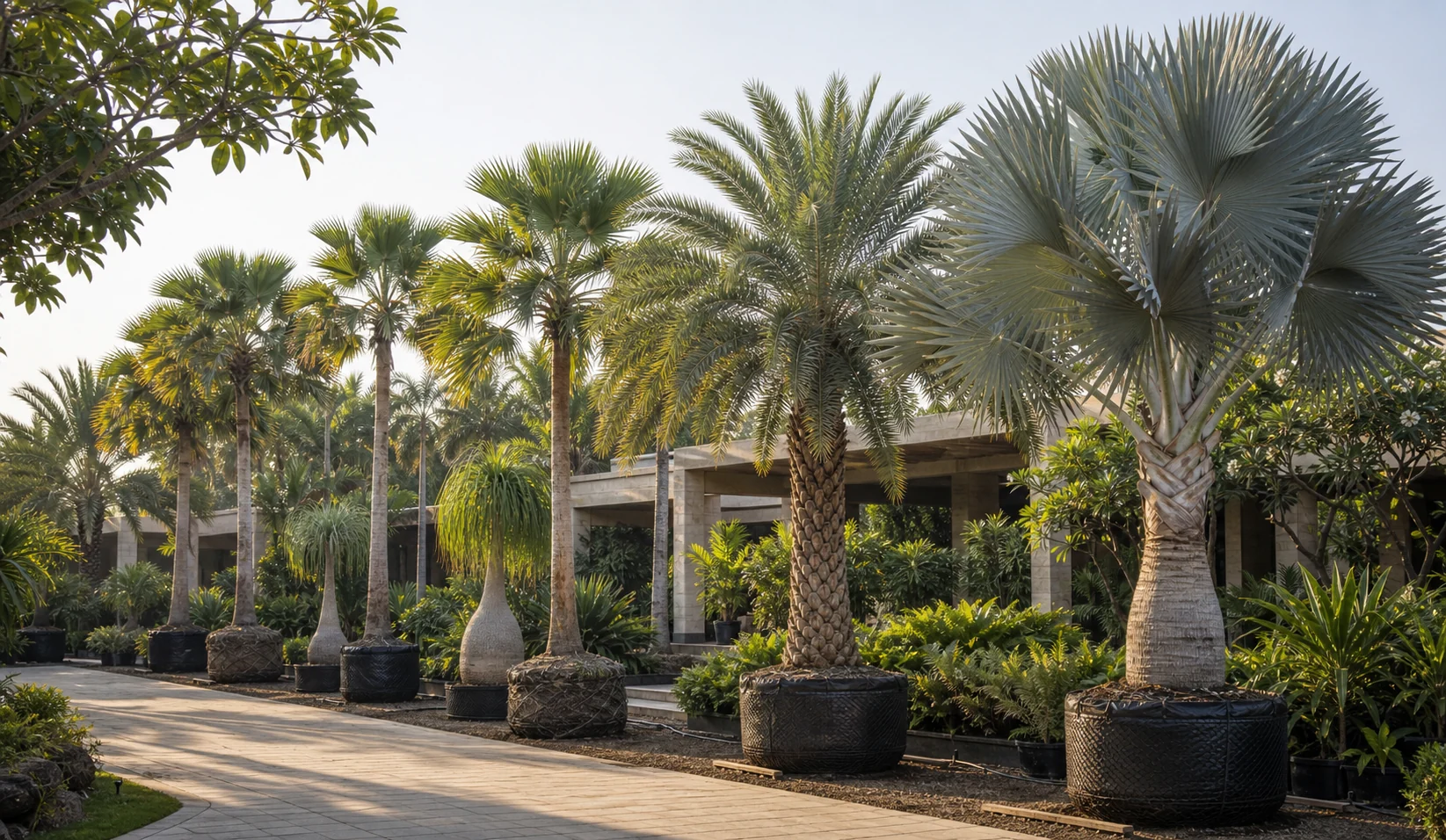
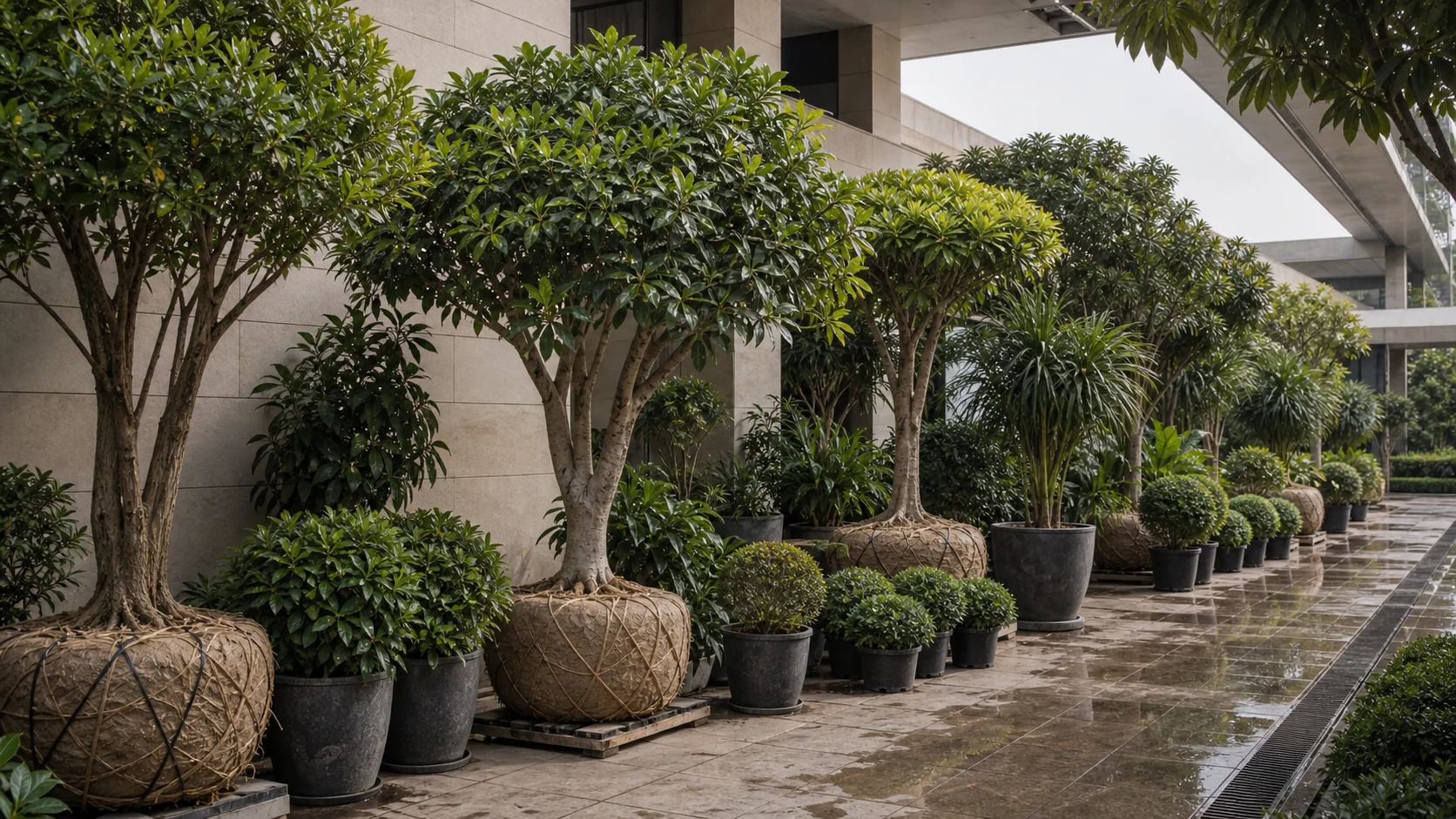
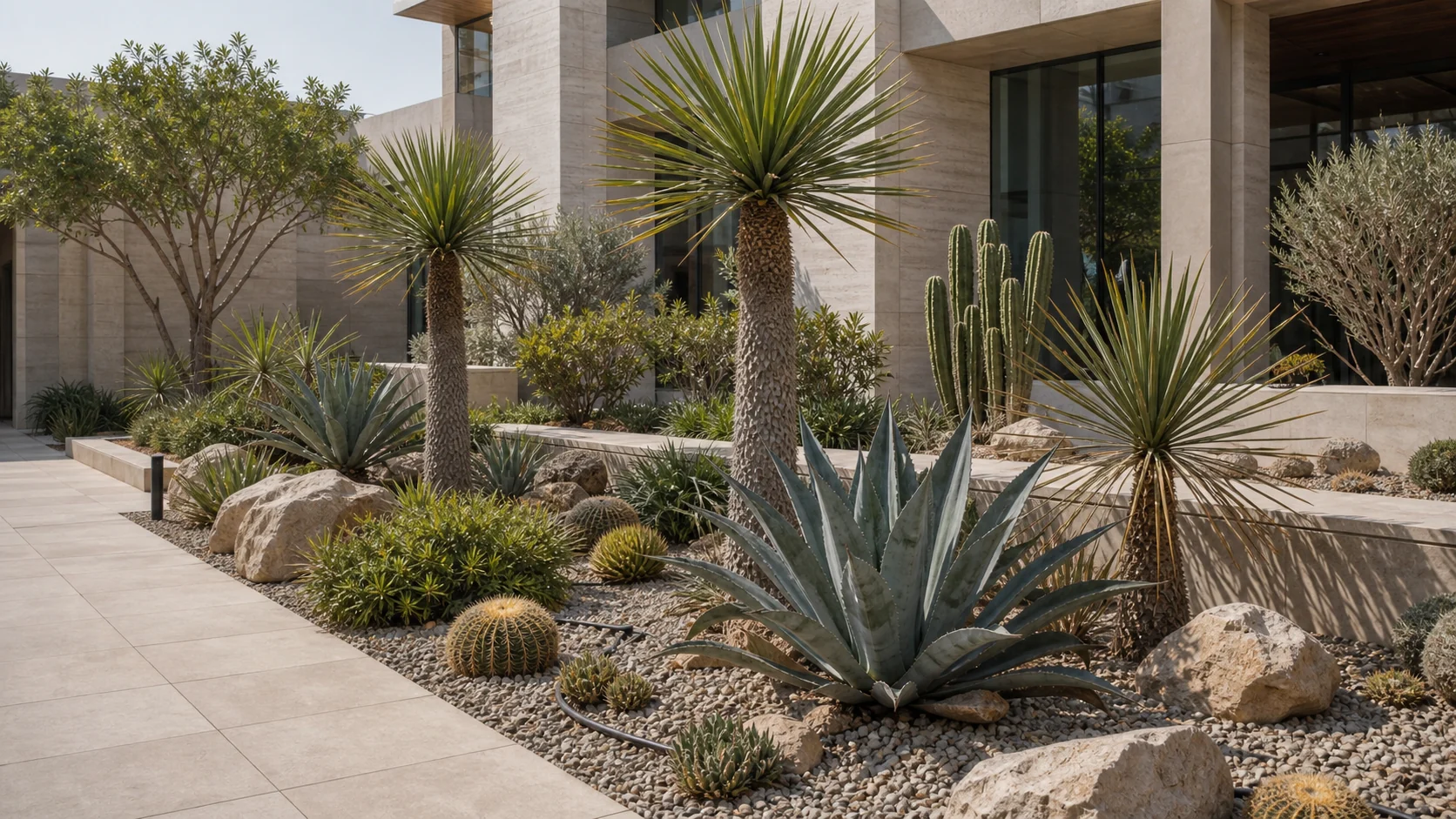
Visual context for placement, scale, handling, and landscape integration.
Section
Where it's used in premium projects
Prince backs outdoor stages, masks car parks behind pools, and frames sculpture plinths where burgundy mass must read on camera — not a fine-texture grass. Pair with lighting for evening events; specify containment on civil drawings.
Section
Climate & site suitability in India
Heat plus water equals burgundy; dry stress turns plants olive and short. Coastal salt may bronze leaf tips — rinse irrigation if needed. Do not specify for unirrigated xeric plazas expecting purple permanence.
Section
Sourcing & acclimatisation
Verify 'Prince' tag vs generic purple napier — height and colour differ. [Unverified: India-held division sizes.] Reject pots with stolons escaping drainage holes into open ground.
Section
Installation (planting, containment, drainage)
Barrier stolons at bed edges with root curb or deep edging; irrigate with dedicated drip, not overspray from lawn. Space for mature height — Prince overtops low hedges in one season if over-fertilized.
Section
Establishment & AMC
Cut back frost-damaged or lodged stems in late winter; scout stolon escape monthly in year one. Moderate nitrogen — excess growth lodges stems. AMC must not confuse Prince with invasive seeding fountain grass species.
Section
Cost drivers
Explore
Related
Related
Related links
Services, segments, cost, and proof.
- Softscape & horticulture
- Irrigation & water management
- Landscape maintenance (AMC)
- Hotel & resort landscaping
- Luxury resort & spa landscaping
- Mall & retail landscaping
- Corporate campus landscaping
- Projects
- Commercial landscaping cost guide
- Pricing drivers (imported trees)
- Import compliance workflow
- Request a site assessment
- How tall does Prince napier grow in India?
- Often 2–3 m in irrigated heat with water — buy height class on the PO, not plug expectations.
- Why specify containment for Prince?
- P. purpureum stolons spread in warm soils — edge barriers and bed limits prevent colonising adjacent lawn or beds.
- Does Prince work without irrigation?
- Burgundy mass collapses to olive stubble — it is an irrigated screen grass, not a xeric default.
- Is Prince the same as fountain grass?
- No — napier (P. purpureum) is a different species habit with stolons and bold leaves; do not swap BOQ lines with P. setaceum.
- Will hill frost kill Prince?
- Frost browns stems — cut back and recover in warm lowlands; hill stations may need replant or protection.
- What import paperwork applies to Prince divisions?
- Live grass divisions need phytosanitary and quarantine inspection per consignment (informational, not legal advice).
- How should Prince screen BOQs be compared?
- Match division size, stolon barrier scope, irrigation zones, and annual cut-back — not purple millet annual pricing.