
FAQ
Imported trees FAQ
Procurement teams use FAQ to reduce risk before they approve species and start the documentation workflow. This page answers common planning questions for imported and specimen-grade trees.
Gallery
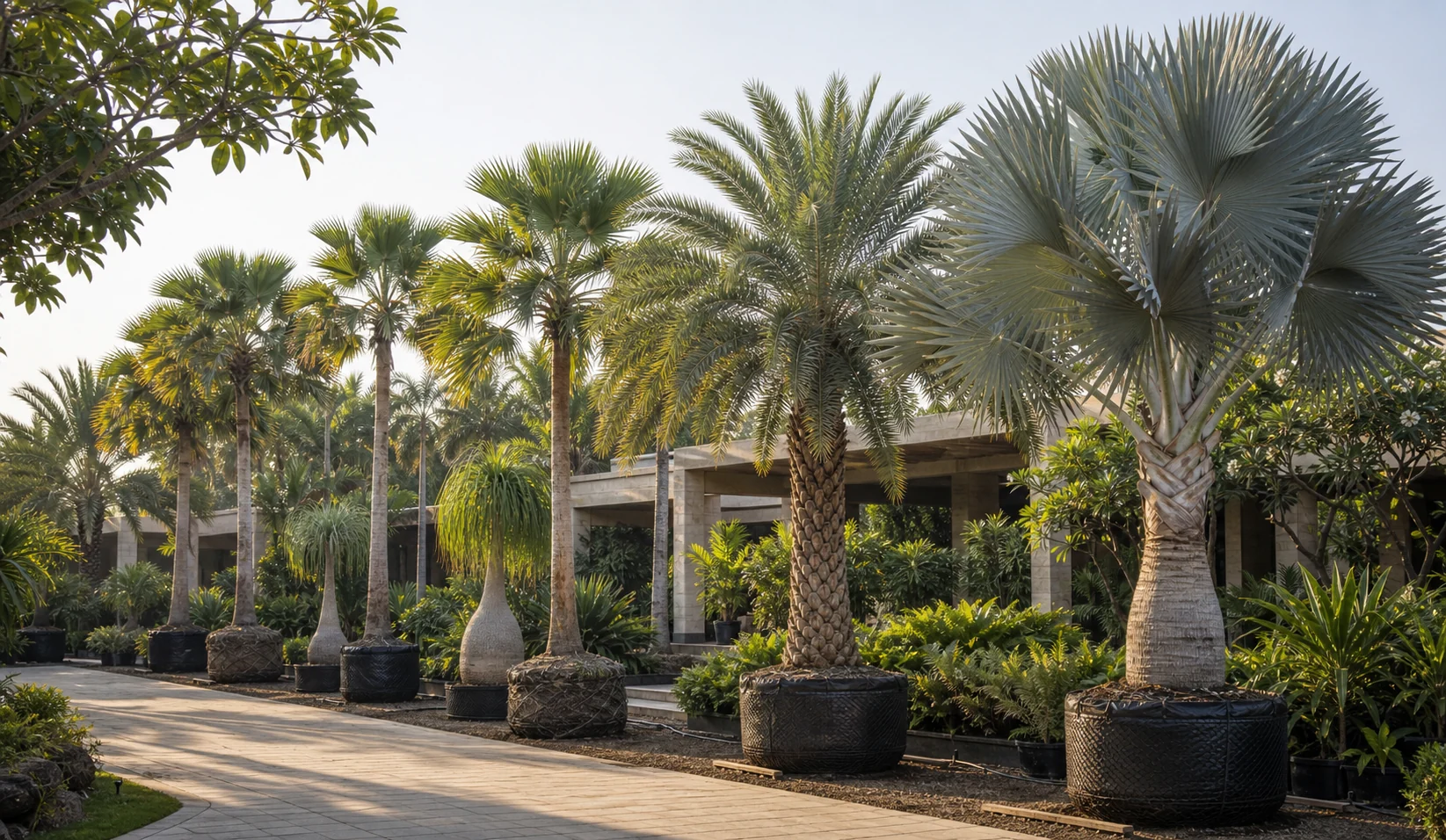
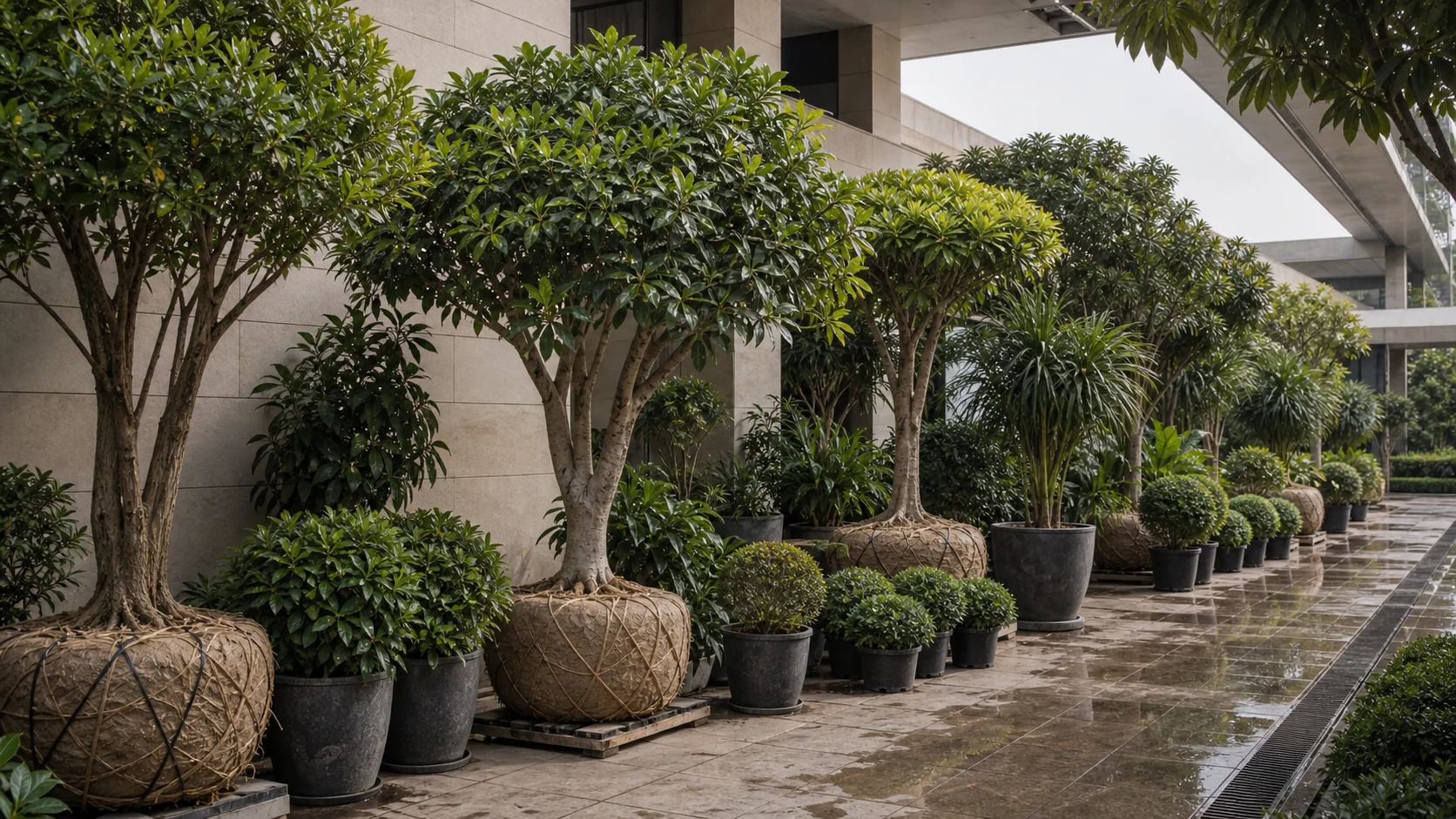
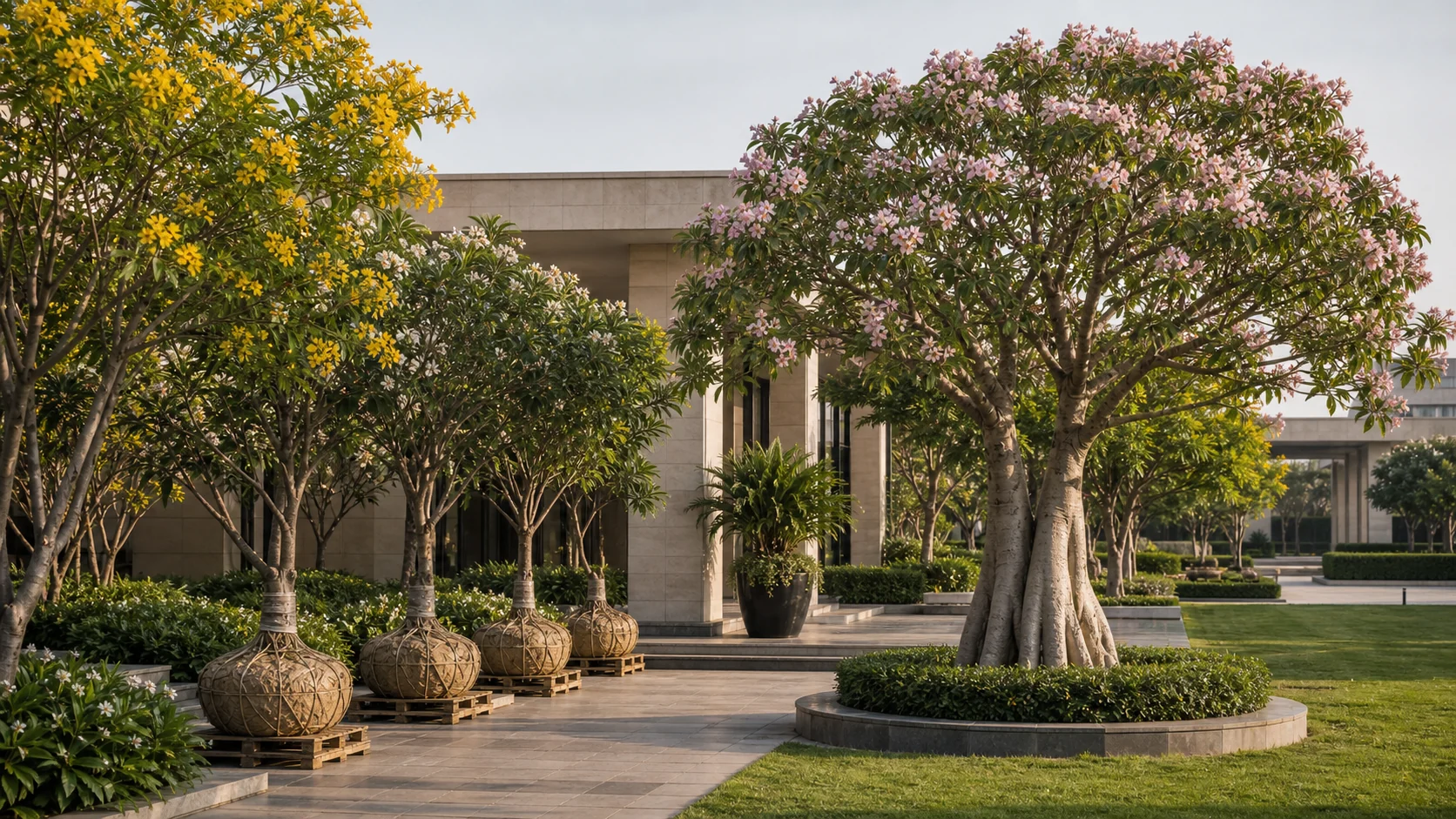
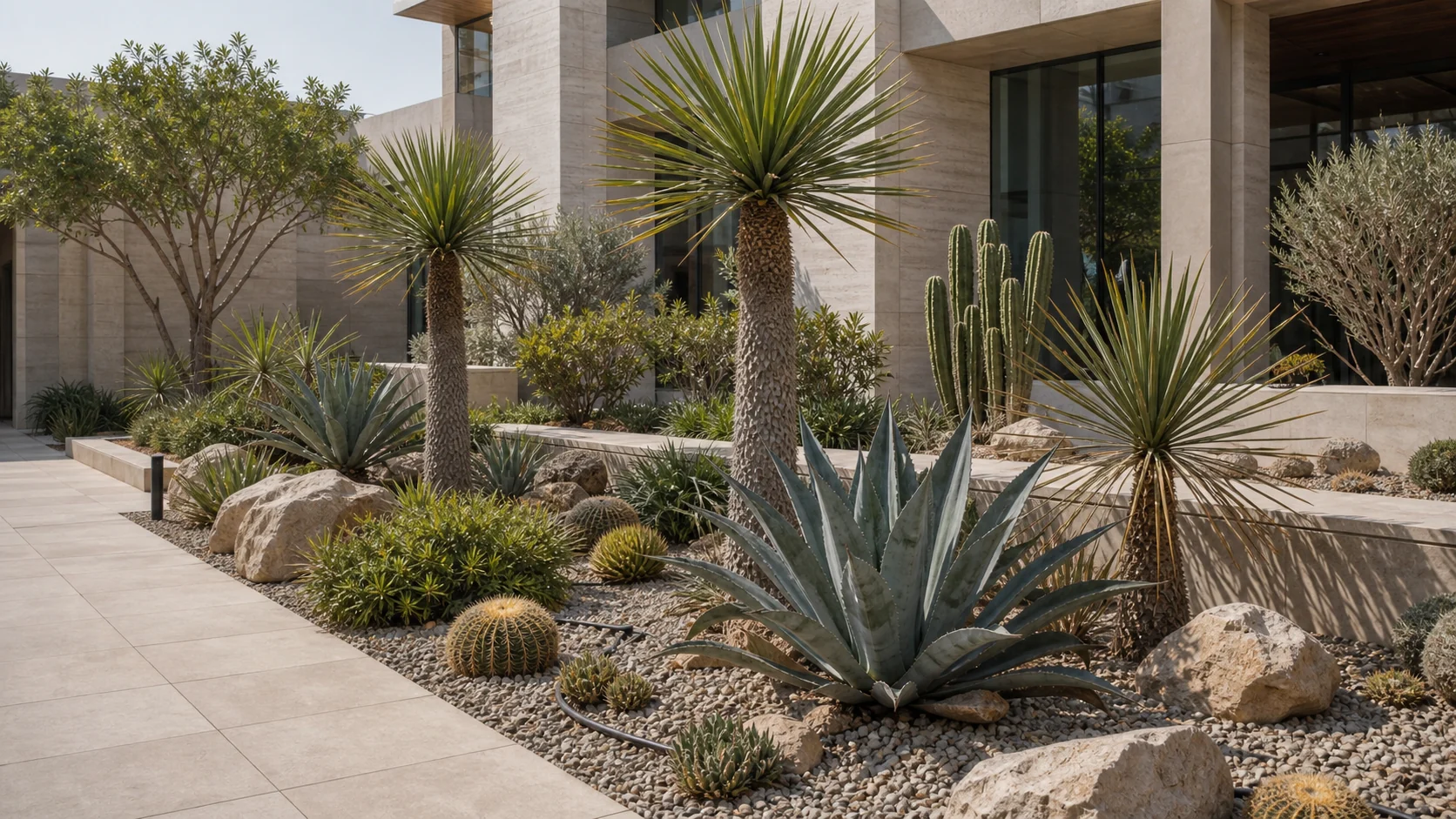
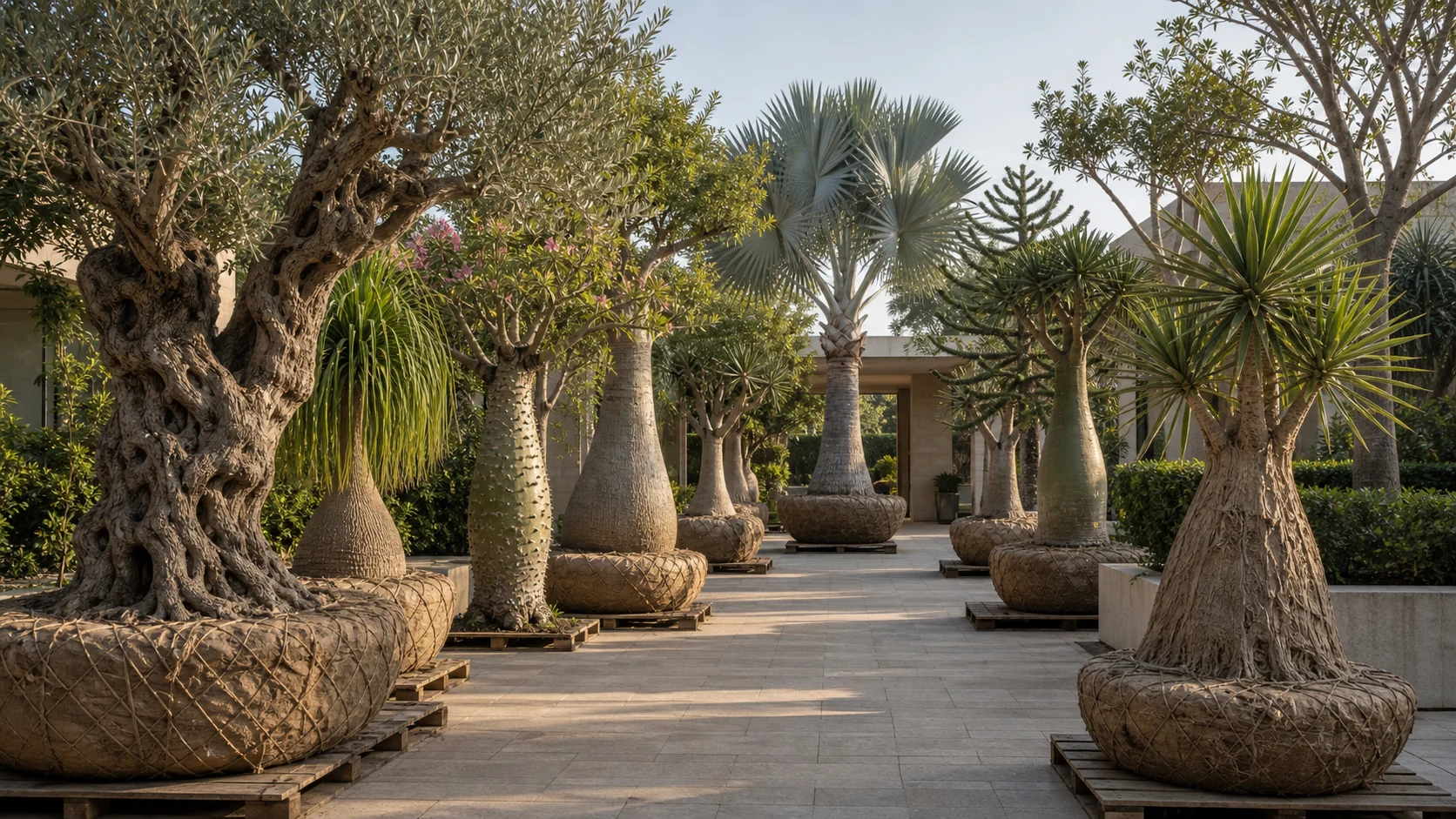
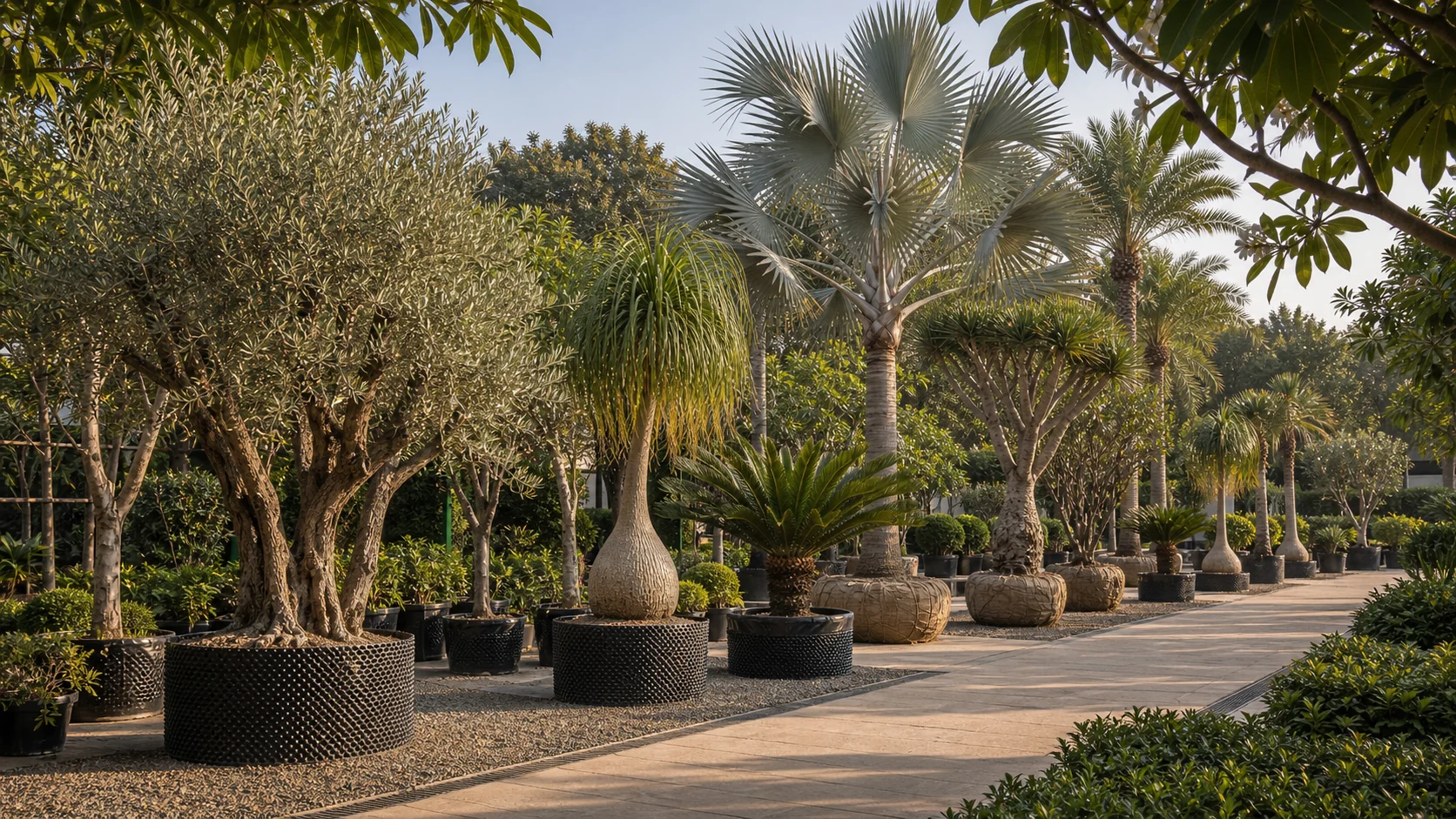
Specimen visual guide
Visual context for placement, scale, handling, and landscape integration.
Explore
Related
Related
Related links
Services, segments, cost, and proof.
- Are import requirements for live trees handled through a phytosanitary workflow?
- Import of live trees is regulated. This page is informational and not legal advice. For the documented compliance overview (phytosanitary certificate and quarantine workflow), see import permits & phytosanitary/quarantine.
- What does acclimatisation mean in practice?
- Acclimatisation is the structured early-stage adjustment plan that helps the tree transition into local site conditions. Practically, it is part of the acceptance-to-aftercare workflow: controlled handling, establishment-care planning, and monitoring.
- How does installation engineering change outcomes?
- Mature tree installation depends on more than planting: engineered pit/soil interfaces, drainage control, irrigation establishment, and bracing where required to manage stability and site risks.
- Do you offer aftercare and AMC for imported trees?
- We support aftercare planning and AMC-style maintenance scope. The exact inclusions, exclusions, and replacement boundaries depend on the species class, the site’s constraints, and the buyer’s maintenance cadence requirements.
- How should we treat pricing in procurement?
- We do not publish Four Leaf unit price lists online. Pricing is influenced by maturity size, documentation workflow, engineered installation scope, and aftercare model. For public reporting context and drivers, see pricing.
- Can you guarantee survival for every site?
- Outcomes depend on site conditions, species suitability, and execution details. We plan installation and establishment care to reduce risk, and we define aftercare scope clearly, but no single page can substitute for a site assessment. Request a site assessment to confirm fit for your specific constraints.
- Which species need the longest acclimatisation?
- Large imported palms, olive specimens, and slow-establishing cycads typically need the longest monitored establishment window. Build programme float before soft opening.
- Can city pages replace a site assessment?
- No. Tier-1 city pages describe climate and logistics themes only. Final species fit requires site microclimate, access, and drainage review.